- Home page
- Top experiences
- Rest and relaxation
- Where to observe birds in Charente Maritime?
- Rest and relaxation
- Top experiences
Where to observe birds in Charente Maritime?
Charente-Maritime is a fascinating region for birdwatching. The Charente estuary, the Gironde estuary, the Arvert peninsula, the Charente coast, and its islands provide a welcoming environment for both resident and migratory birds. Nature reserves have been established there for their protection. These reserves offer opportunities for respectful birdwatching, an introduction to ornithology, and the chance to discover these exceptional habitats. The Charente-Maritime Guide reveals the best birdwatching spots in Charente-Maritime.
Watching birds in their elegant flight is an activity that can be enjoyed in any season, but winter is the most favorable time. Its lagoons, marshes, ponds, and of course the ocean, provide a vital food source. The landscapes are ideal for nesting and breeding in early spring. The department lies on the East Atlantic migration route, and many migratory birds take refuge there for the winter. Charente-Maritime is therefore a paradise for birds and birdwatchers alike.
Birdwatching sites around the Charente estuary
The Yves Marsh Nature Reserve
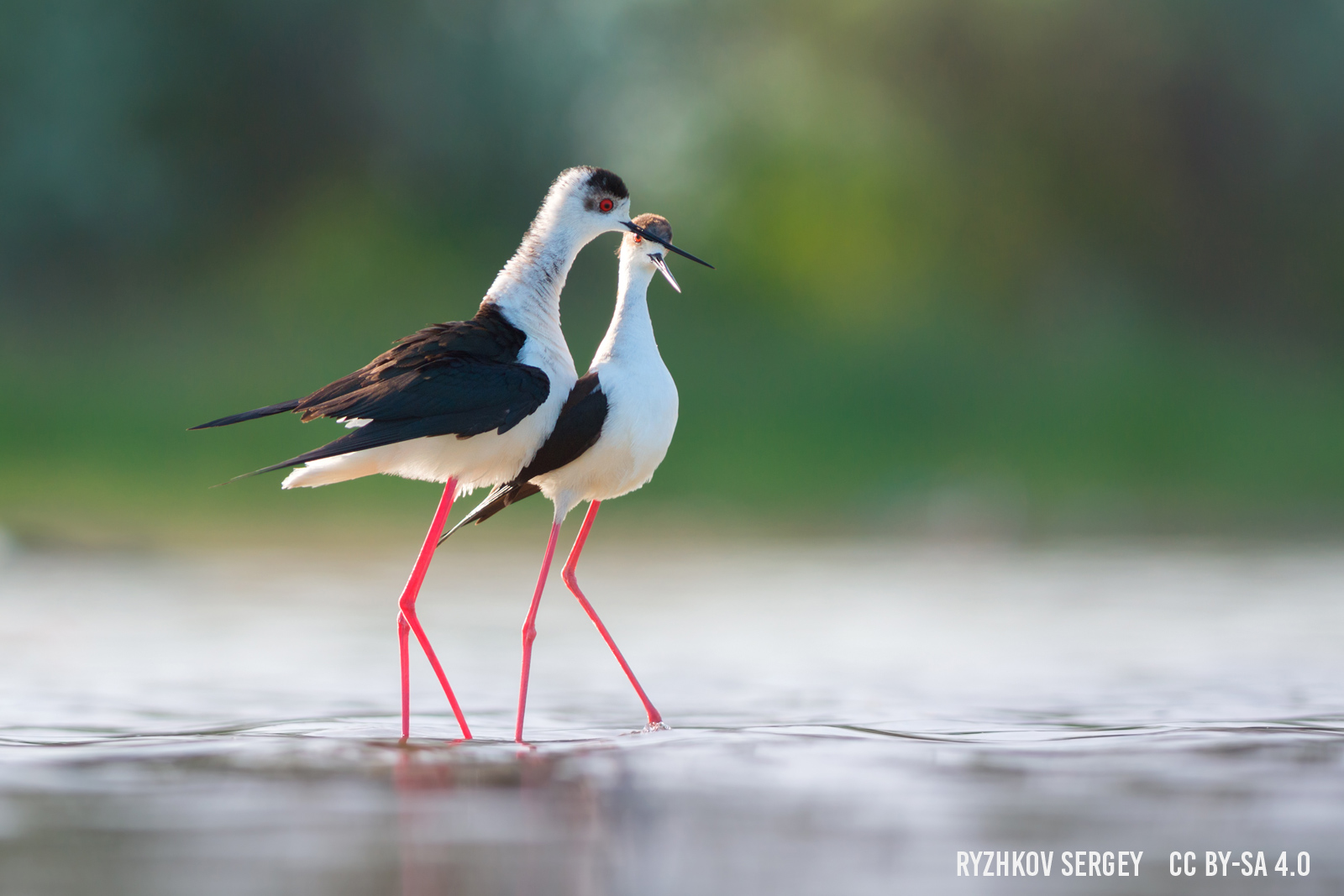
Marshes and lagoons are ideal habitats for wading birds. In the Marais d'Yves Nature Reserve, you'll likely spot a Black-winged Stilt or a Pied Avocet. At the end of winter and in spring, you'll see more unusual wading birds, such as White Storks, and even rarer in the region, Black Storks, depending on the year. They come from Eastern Europe and stop in Charente-Maritime to raise their young. Many other migratory birds also stop over, such as Greylag Geese, Marsh Harriers, and various ducks.
The Cabin of Less
Near Rochefort-sur-Mer, the Cabane de Moins is a nature reserve, as well as a hunting and wildlife reserve. It's a wetland area, a network of canals that crisscross pastures and connect ponds. It's home to ducks, teals, and egrets. If you're very quiet, you might even spot an otter!
The Rochefort-sur-Mer Lagooning Station
The wastewater treatment plant in Rochefort-sur-Mer is particularly innovative and environmentally friendly. It uses a lagooning system with basins. This natural method generates a proliferation of plankton, which attracts numerous aquatic birds: waders, ducks, grebes, songbirds, and more. The Lagooning Plant's Nature Area organizes guided tours to better understand this innovative system and admire the birds from its observation point.
The Moëze-Oléron Nature Reserve
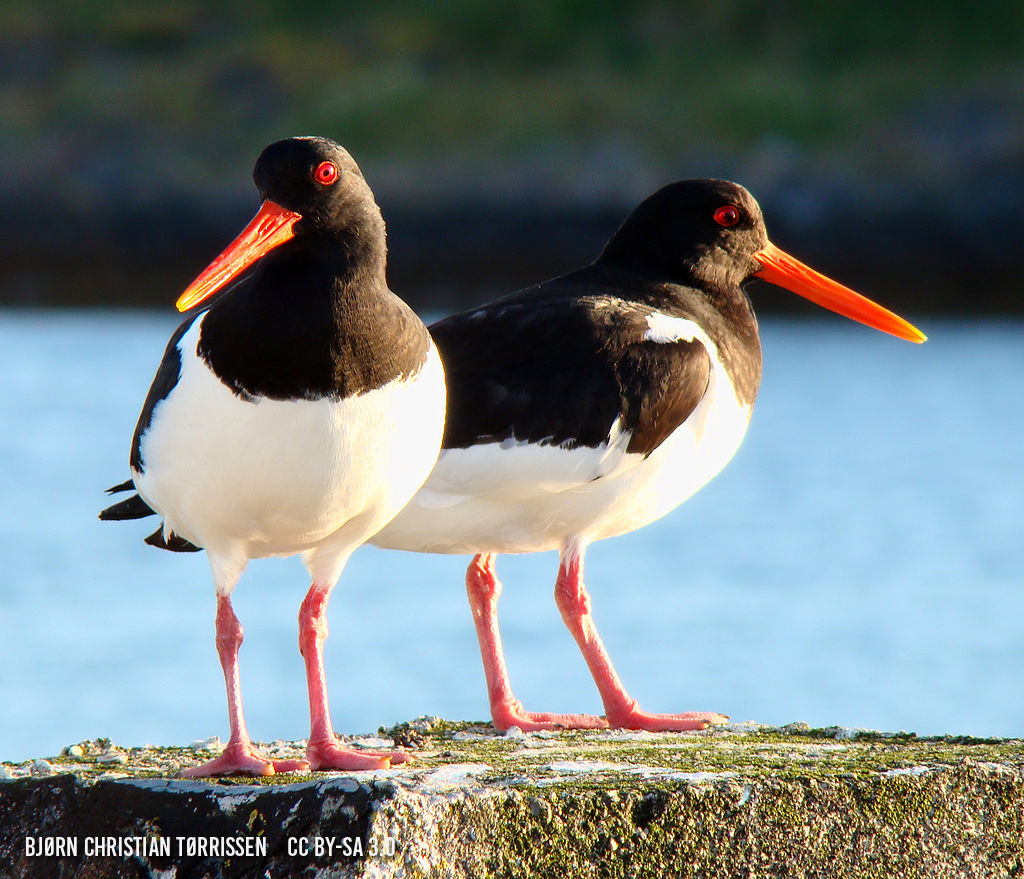
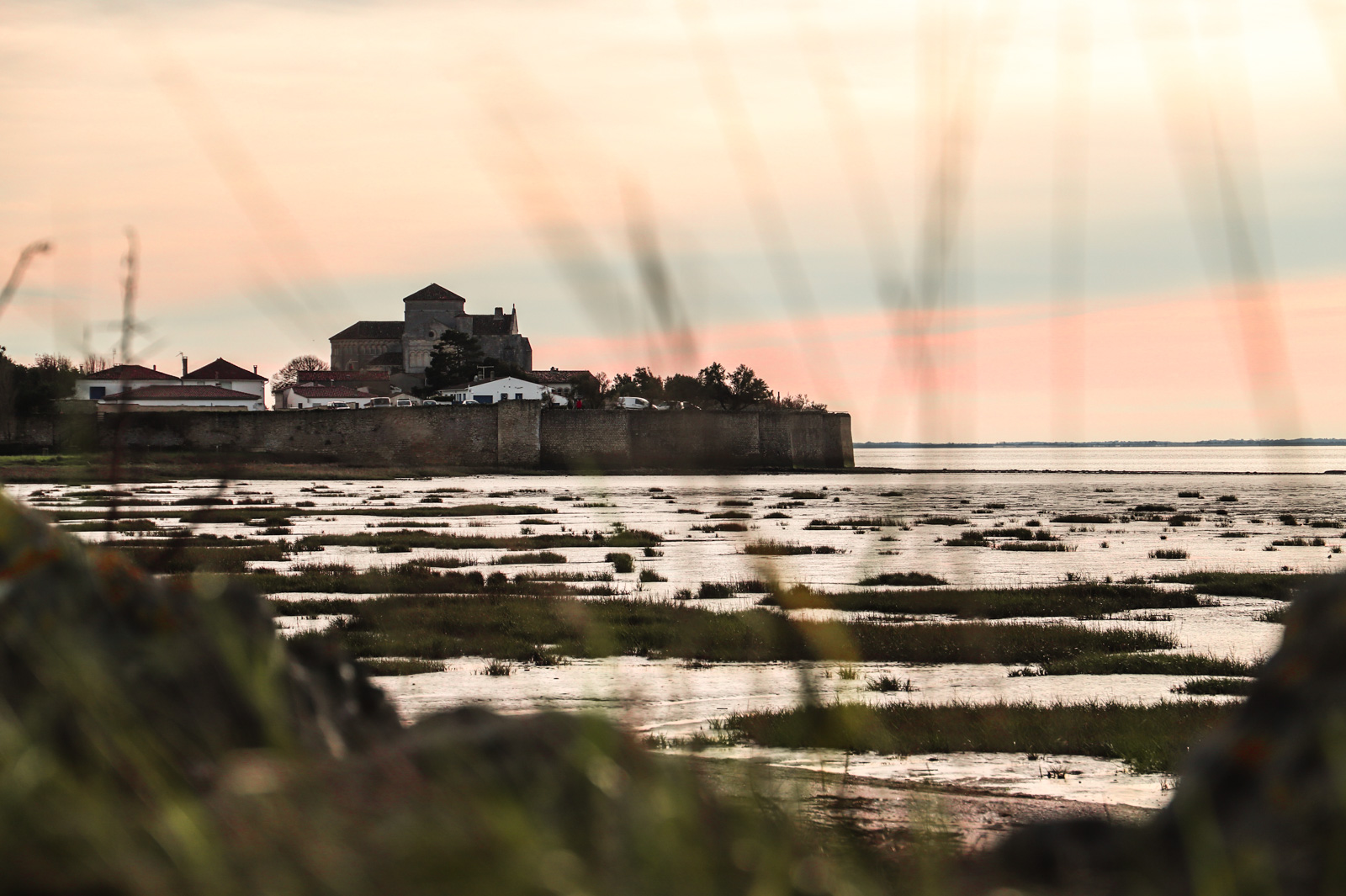
The Moëze-Oléron Nature Reserve is primarily a marine reserve. It protects the "Pertuis Sea," between the Île d'Oléron and the Charente estuary. It encompasses the marshes, mudflats, and meadows near the estuary. Within this area, you can discover nearly 300 species of seabirds, migratory birds, and marsh waders… including, for example, the Eurasian Curlew, the Eurasian Oystercatcher, and the Common Redshank, to name just a few of the many stars!
The Marais Poitevin Nature Centre and its bird park
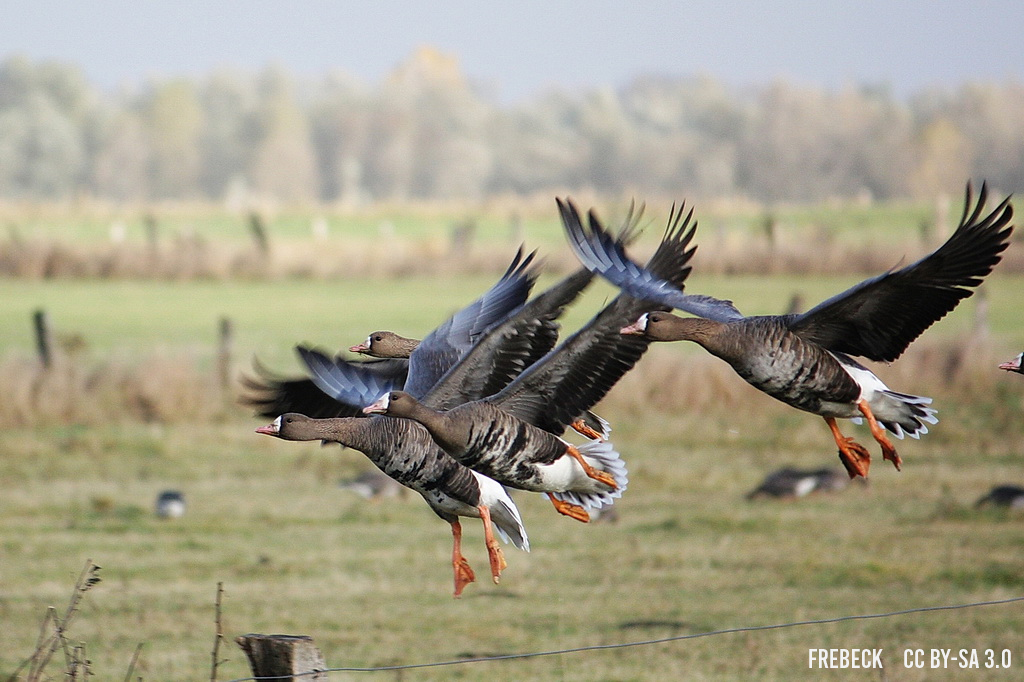
We leave the Charente estuary behind and head inland to the Charente region, or rather, its Marais Poitevin wetlands… Located in Taugon, the " Échappées Nature" site in the Marais Poitevin offers boat trips and discovery trails to admire its flora, fauna, and especially its birds. The bird park allows you to see emblematic species of the marsh, such as the Common Eider, the Greater White-fronted Goose, and the Black-crowned Night Heron…
Birdwatching in the Gironde estuary
The Échappées Nature site in Vitrezay
The Vitresay Nature Center, designated a "Nature Escape," invites you to explore this exceptional biotope of the Gironde estuary. Composed of marshes and reedbeds, it is home to a multitude of birds, some specific to estuaries and others endemic to the region. During migration, more exotic birds also stop over.
The Estuary Park
In Saint-Georges-de-Didonne, the Estuary Park is not specifically focused on ornithology. Its primary focus is the protection of common toads, and more generally, the frogs and newts that inhabit the marshes. Nevertheless, this marshy area attracts many birds.
The Forest House of Haute-Saintonge
The Maison de la Forêt (Forest House) is dedicated to the Double Saintongeaise forest, populated with maritime pines, and to the trades associated with it. It is located in the heart of a forest estate that can be explored along a trail designed to preserve the habitats of animals, birds, reptiles, and insects. While its stars are the European mink and the European pond turtle, birds find a cozy nesting ground there, including the hoopoe and the European bee-eater.
Birds of the islands
The island of Oléron
The Marais aux Oiseaux (Bird Sanctuary) in Dolus-d'Oléron is located on former salt marshes. It serves as a protected area for this fragile ecosystem, a rescue center for animals, and an educational institution. It's a great place for a family outing. Children will enjoy the petting farm, the heronry, and its observation point for watching storks, birds of prey, gulls, and wading birds.
The Grand Marais Papineau Bird Reserve is located near Saint-Denis-d'Oléron, between the Bétaudière lagoons and the Barataud dunes. This protected site is not open to the public, but you can cycle around it to admire mallards, gulls, greylag geese, and other birds.
You can also look out for them in the state forest of Saint-Trojan-les-Bains, at the Port des Salines next to the Oléron bridge and along its coastline of course.
The island of Ré
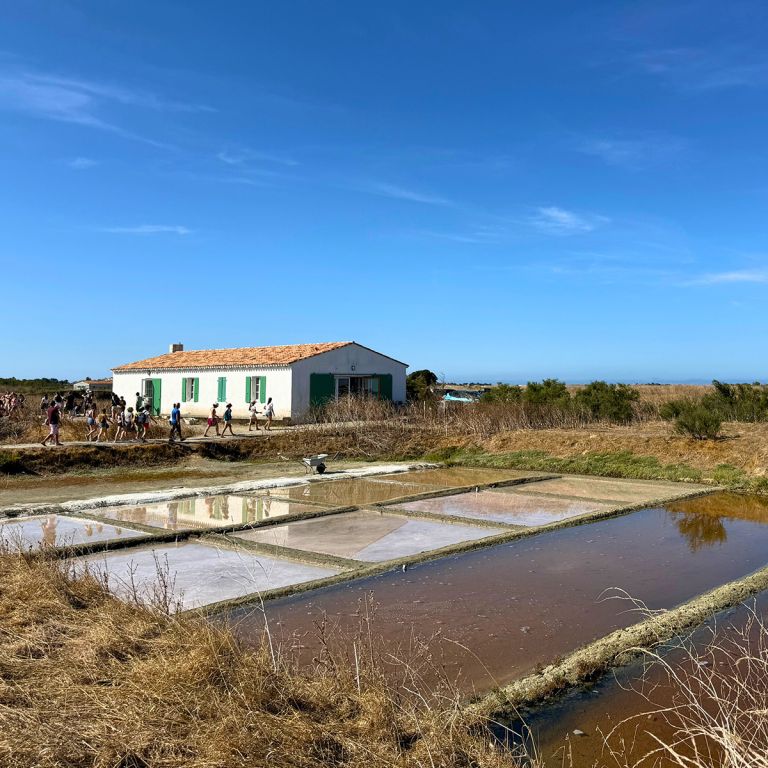
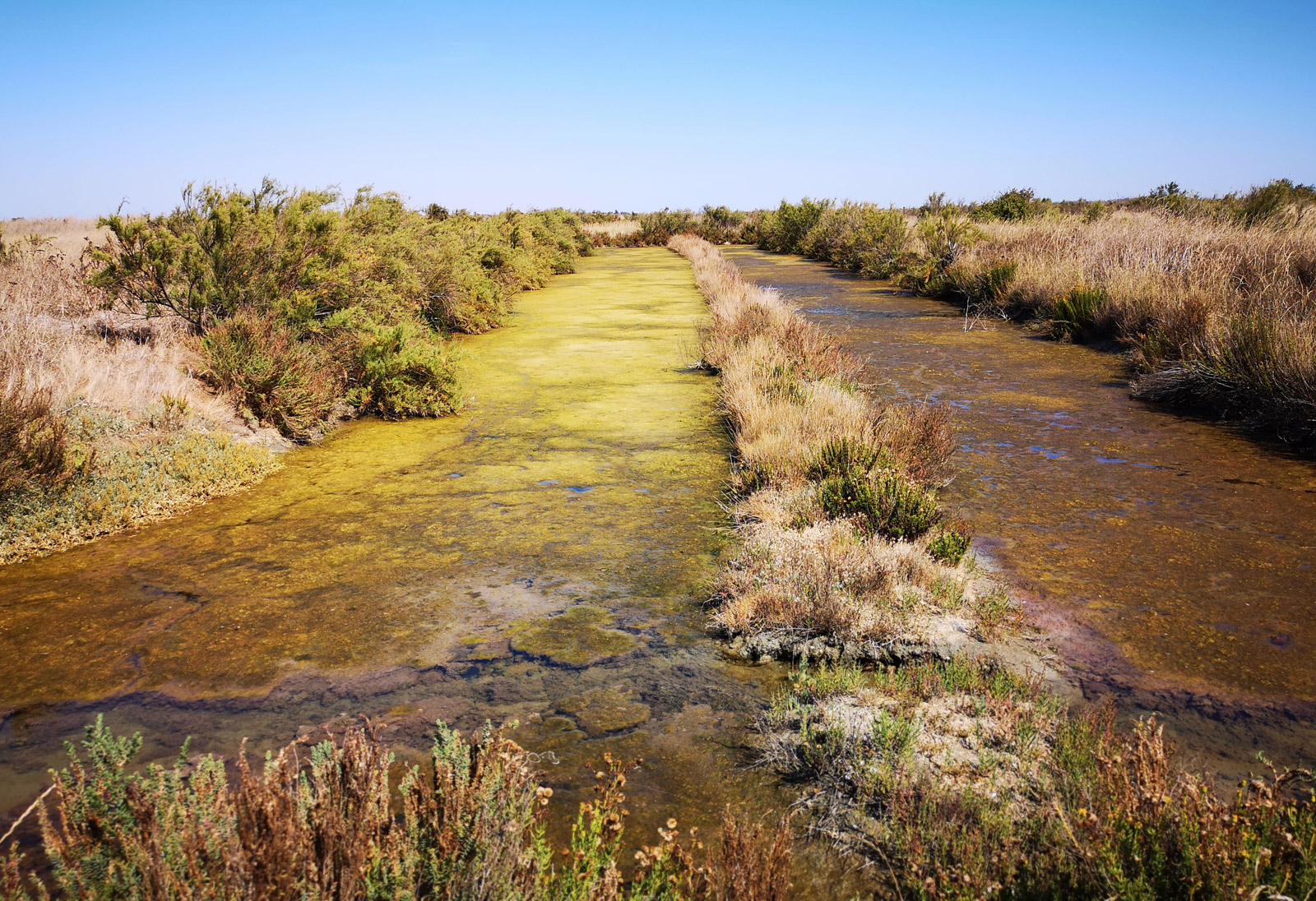
The Loix Salt Marsh Ecomuseum is primarily a museum about salt production, but it is also a very attractive natural area for birdlife. You can see the Little Egret, the Common Shelduck, and the Bluethroat there.
Between Ars-en-Ré and Les Portes-en-Ré, the Lilleau des Niges Reserve is a protected area, reserved exclusively for birds, however you can see them from the surrounding roads.
At the edge of the Lilleau des Niges Nature Reserve, the Phare des Baleines (Whale Lighthouse) is surrounded by a park where you can see the reserve's birds. The site is open year-round, and you can visit the lighthouse, the old tower, and its museum.
Websites to explore further
Here is a selection of websites about ornithology:
- The Atlas of Birds in Winter in Charente-Maritime is a bible that will help you recognize the birds of the region.
- The League for the Protection of Birds of Charente Maritime provides you with an information platform on bird fauna.
Villa Grand Voile
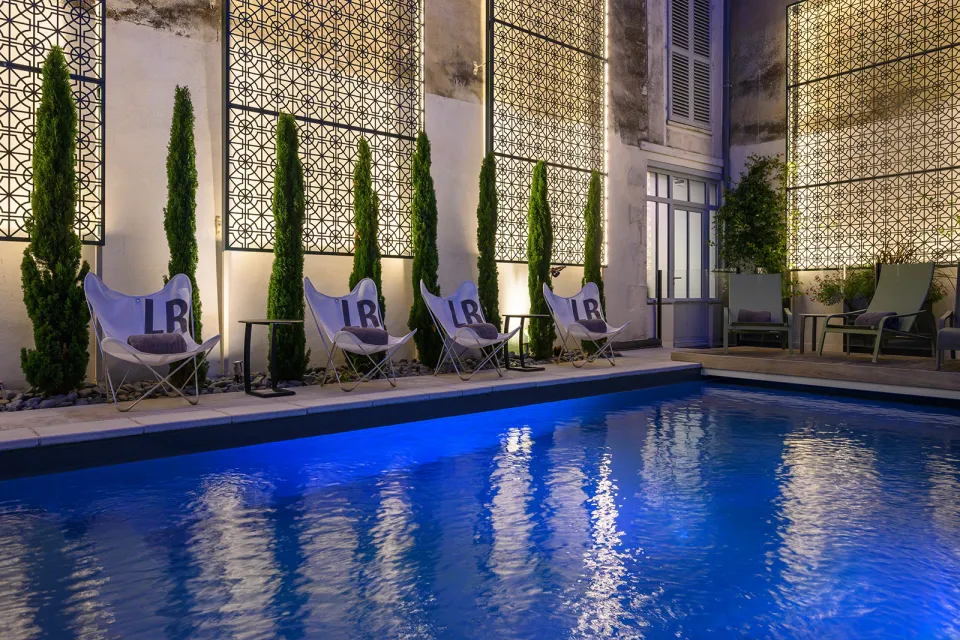
Charming hotel in La Rochelle, discreet luxury and privacy
Aloa Vacances - Camping Oléron Loisirs
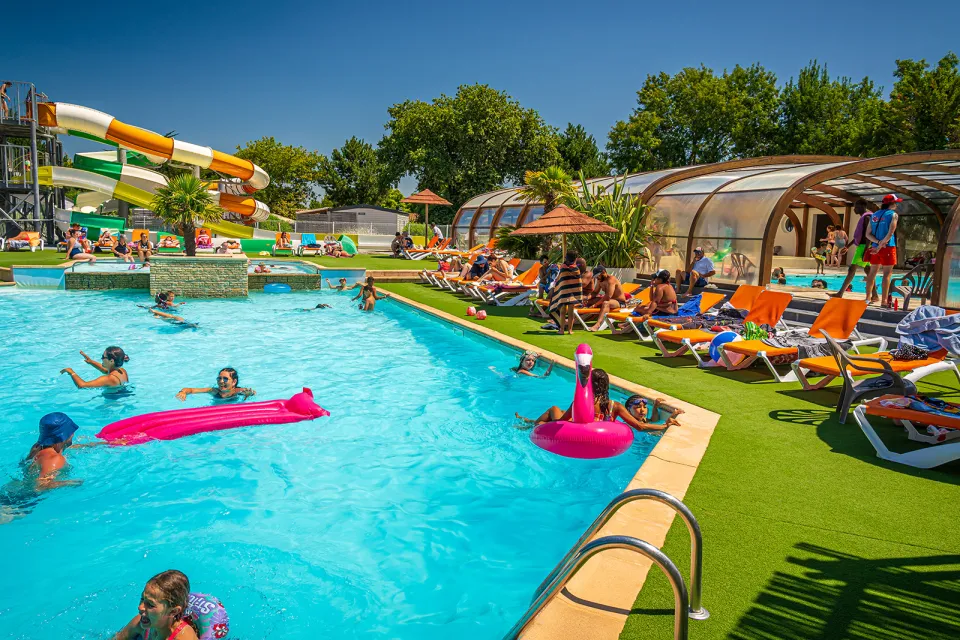
For a relaxing break with family or friends on the Ile d'Oléron
Résidence Vacanceole Le Domaine du Château
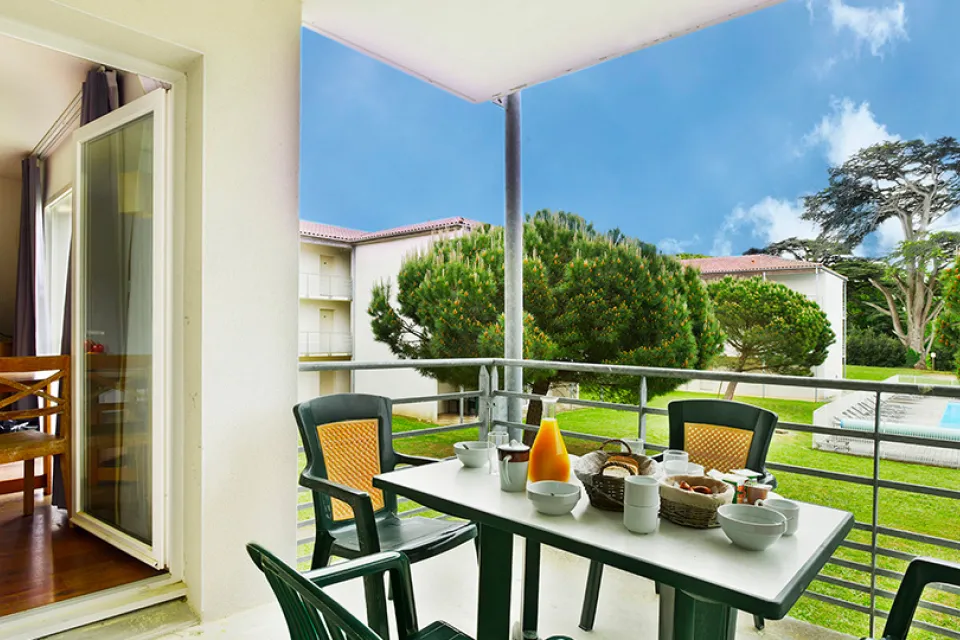
3-star holiday residence in the seaside city of La Rochelle
That concludes our tour of birdwatching sites in Charente-Maritime. We wish you many wonderful birdwatching discoveries, memorable moments, and unforgettable photos!
Did you enjoy our article? Find more in our Top Experiences section.
Follow us on the Charente Maritime Guide Facebook page and on Instagram @guidecharentemaritime
our favourite
La Baleine Bleue
in Saint-Martin-de-Ré

Top experiences
Visit the Loix Salt Marsh Ecomuseum: an immersion into the heart of salt production on the Île de Ré