About
-
English
-
The island of Oléron is often nicknamed "the Luminous Island" or "the Mimosa Island" due to its generous sunshine and lush vegetation. It is the largest French island after Corsica. Located in Charente-Maritime, it offers a wealth of varied landscapes and activities, attracting many visitors each year.
A Privileged Geography and Climate
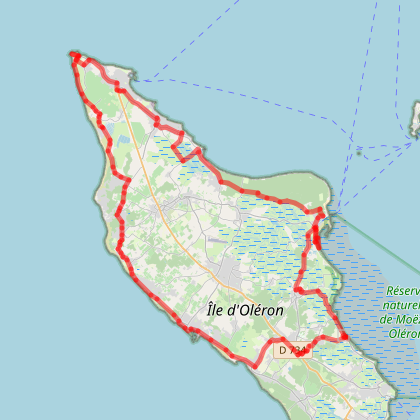
The island of Oléron is approximately 30 km long and 8 km at its widest point, covering an area of 175 km². It is connected to the mainland by a 3,027-metre viaduct, which was commissioned in 1966 and was for a long time the longest bridge in France. This connection has facilitated its access while preserving its island character.
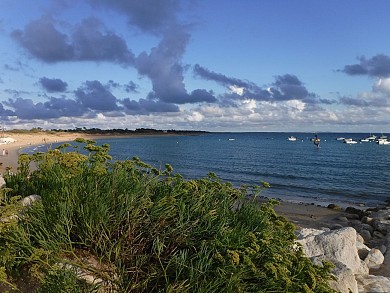
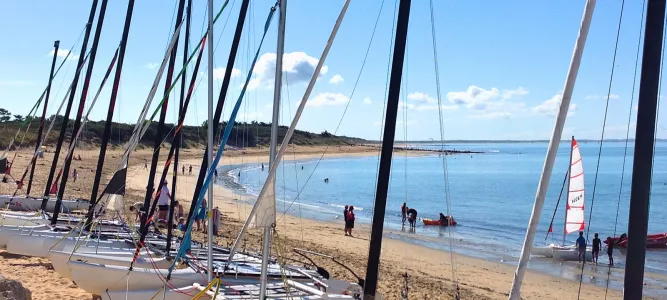
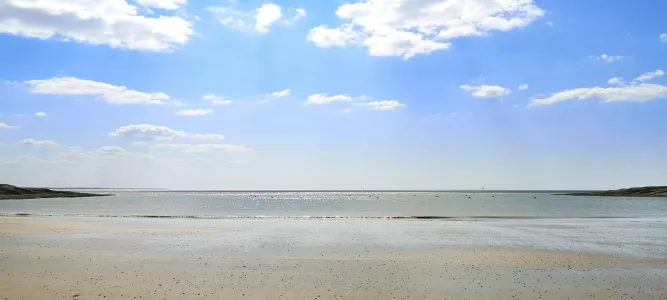
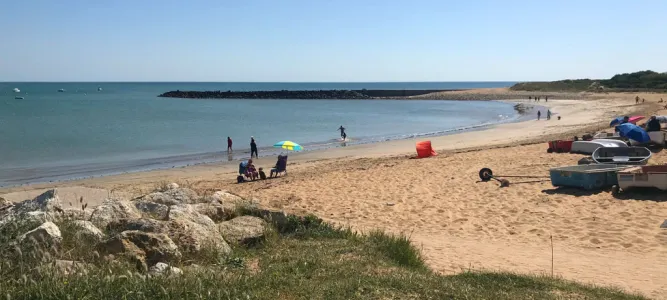
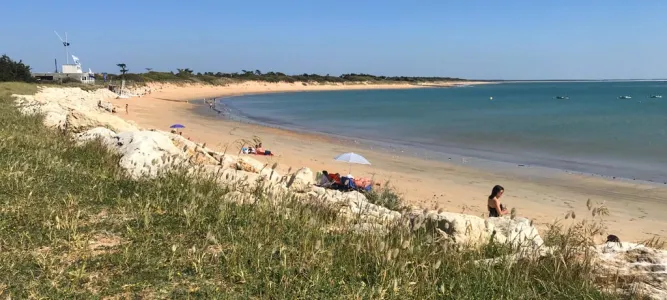
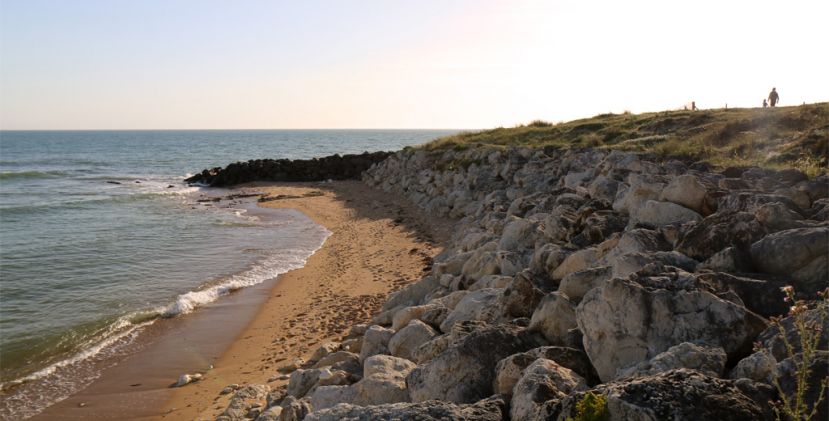
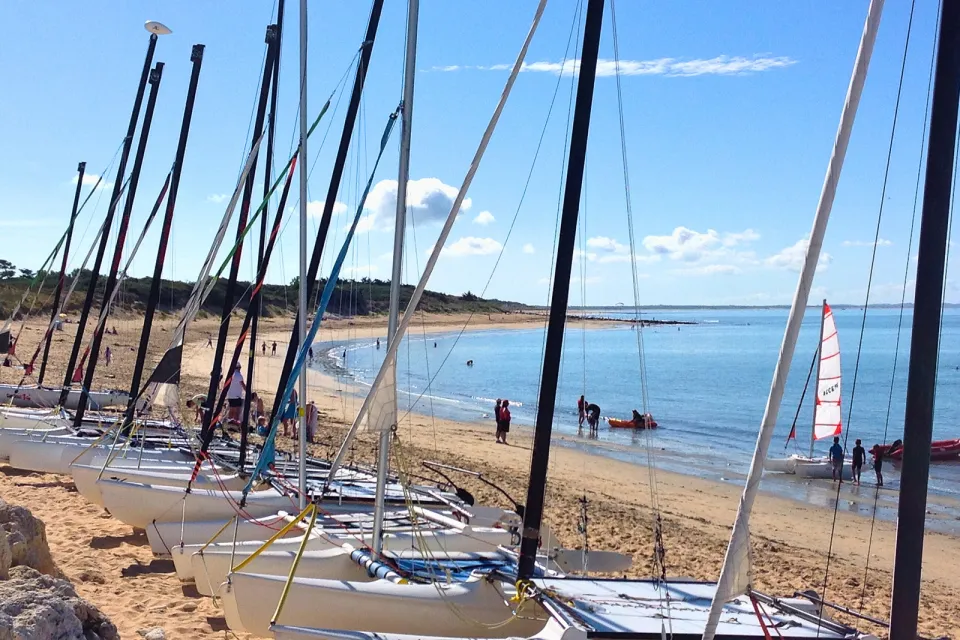
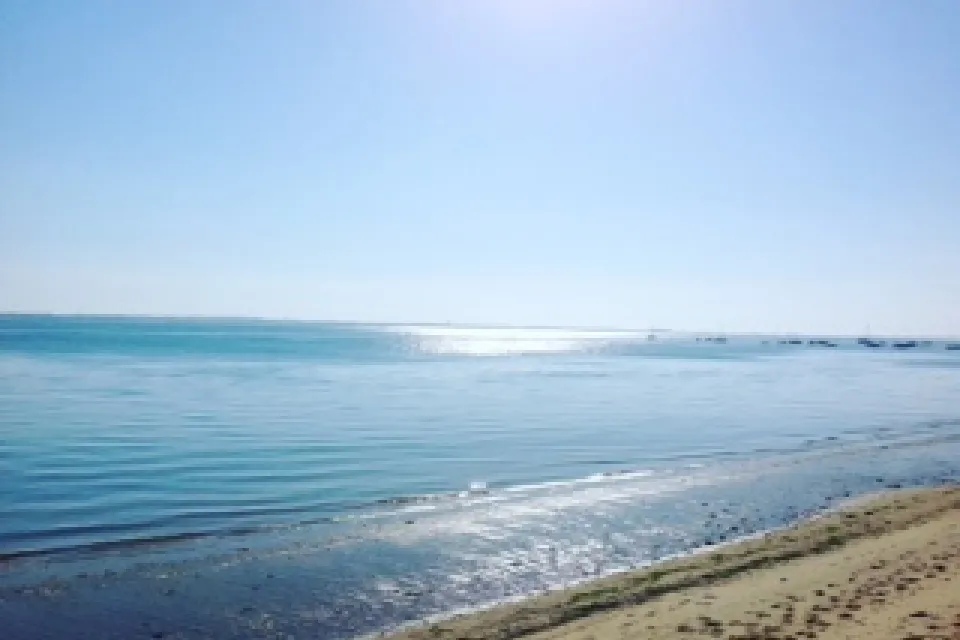
The island's climate is particularly mild, which favors the growth of Mediterranean plants such as mimosas, which bloom as early as winter. Its coasts are varied: from fine sandy beaches ideal for swimming and water sports on the ocean side, to rocky shores and more sheltered beaches on the east side, perfect for families and shore fishing.
Natural and Landscape Treasures
The island of Oléron is a true paradise for nature lovers:
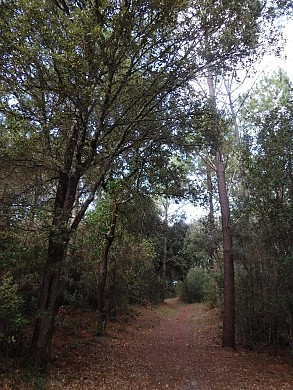
- Vast forests of maritime pines and holm oaks, such as those of Saint-Trojan-les-Bains and Saumonards, offer magnificent hiking and cycling trails.
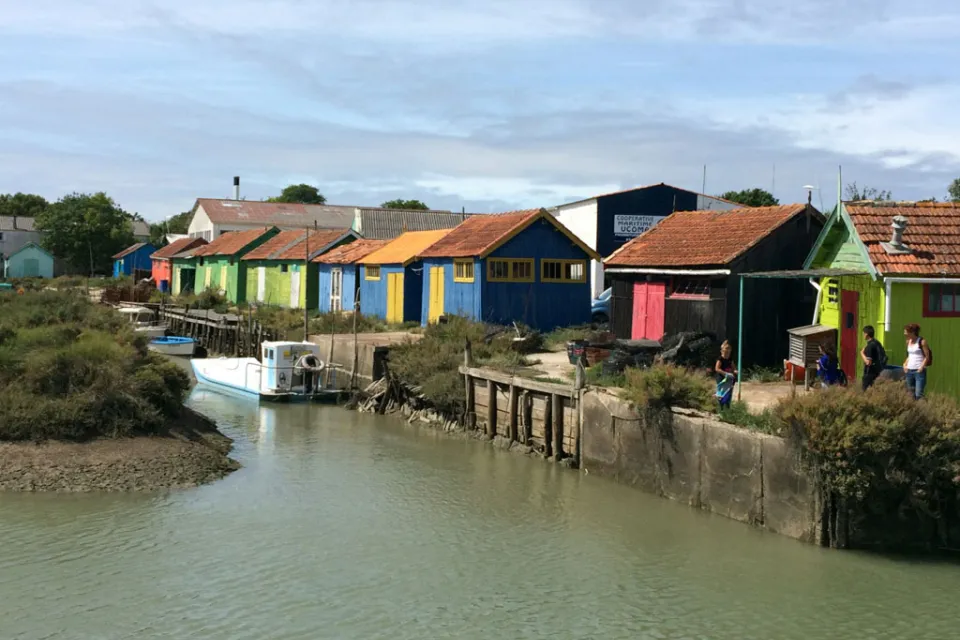
- The marsh landscapes, whether salt marshes (like the Port des Salines) or dedicated to oyster farming, are emblematic. The "claires" (refining basins) give their characteristic green color to the famous Marennes-Oléron oysters.
- The coastline features long stretches of dunes, fragile and protected natural areas, ideal for long walks.
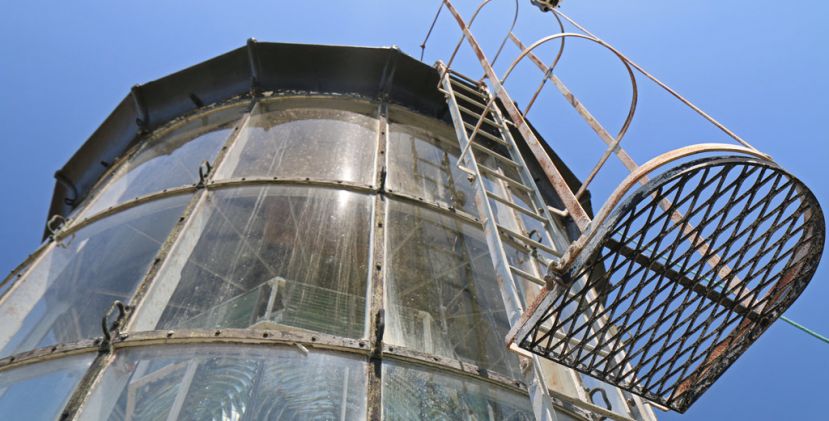
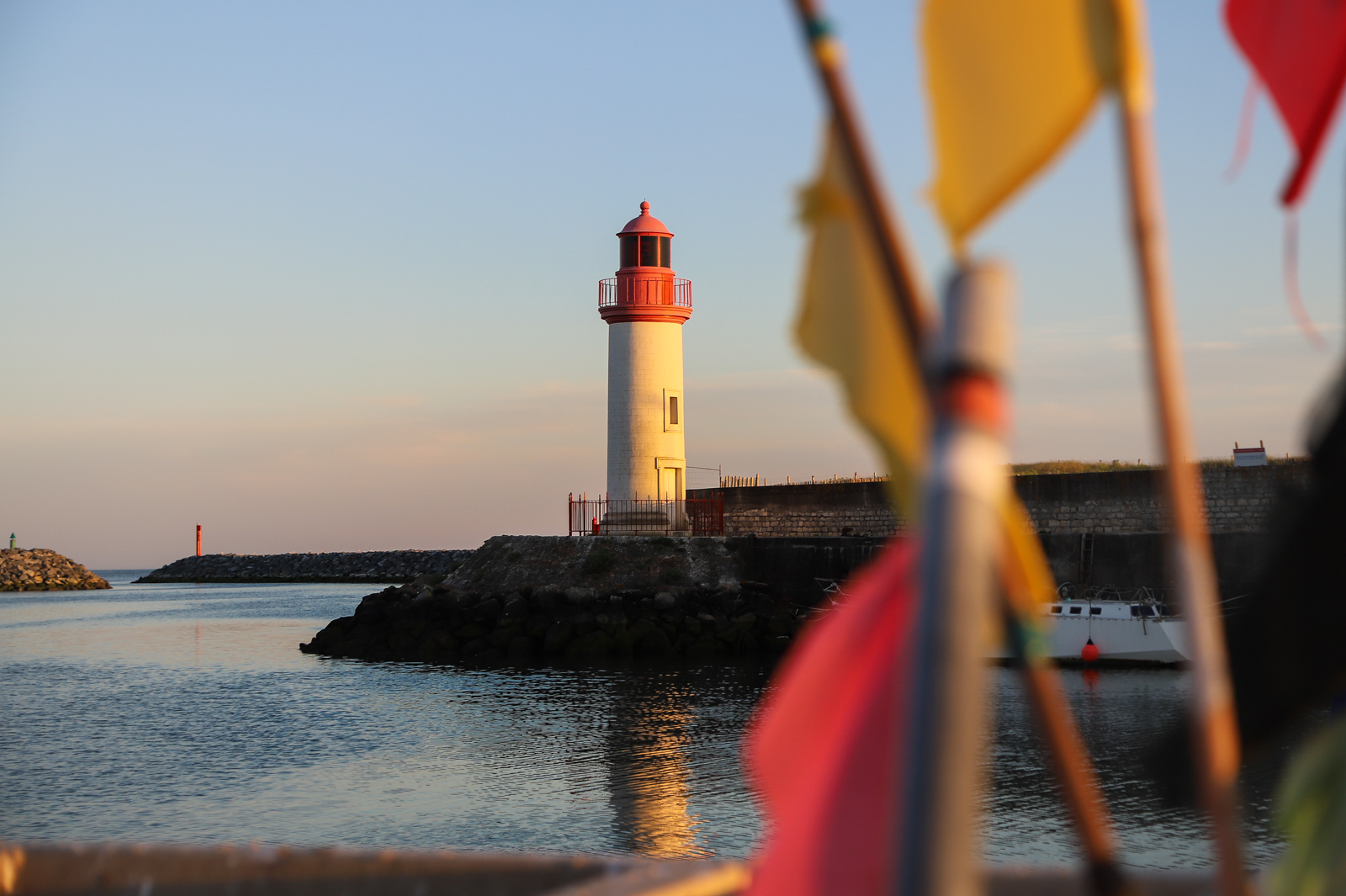
- Located in the far north of the island, the Chassiron Lighthouse is iconic, with its black and white stripes. It offers a breathtaking panorama of the island, the ocean, and even the famous Fort Boyard.
Oyster Heritage and Culture
The island of Oléron is deeply rooted in maritime and oyster farming culture:
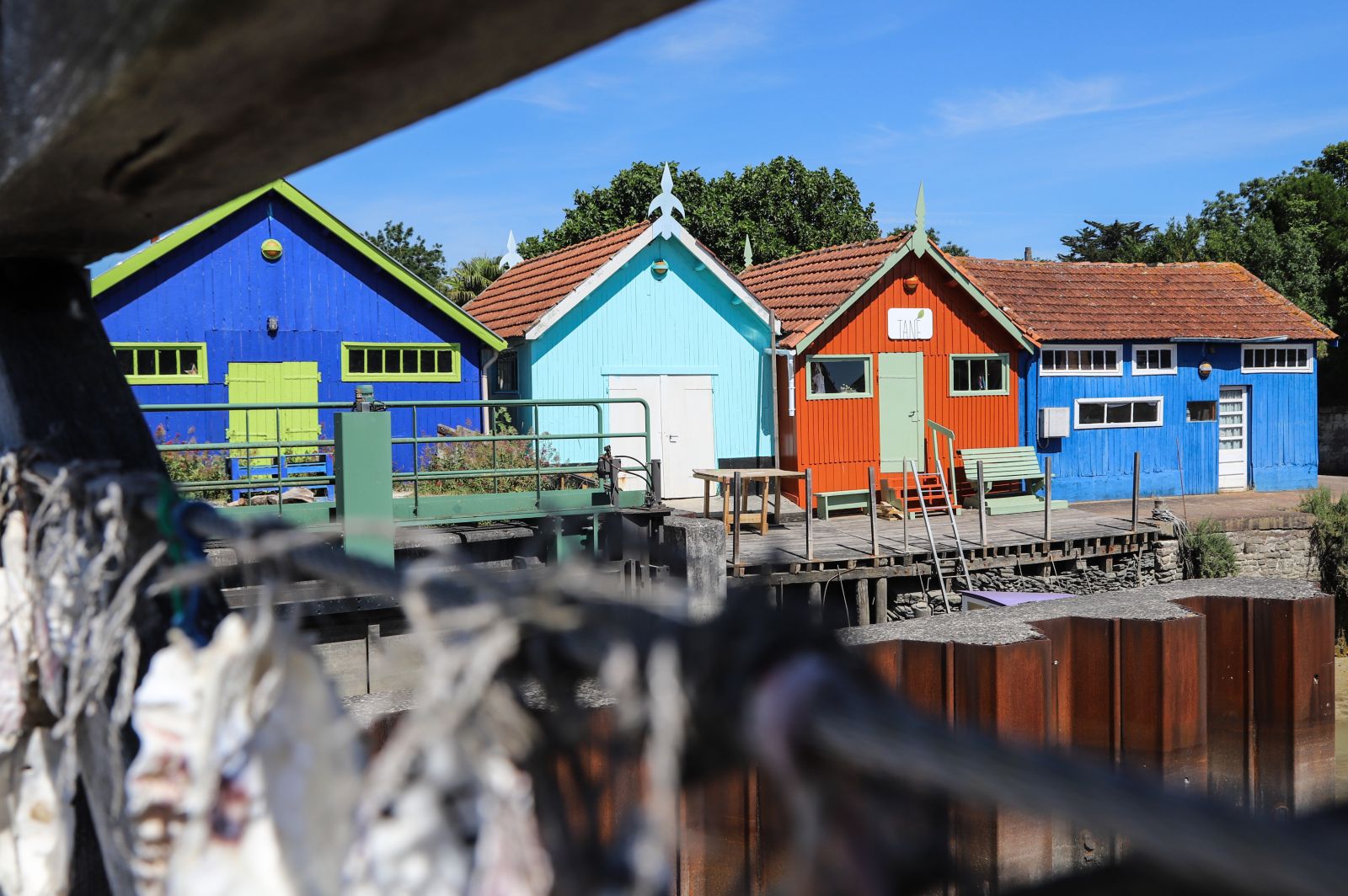
- The Marennes-Oléron oyster is the island's flagship product. Visiting the multicolored oyster huts and tasting fresh oysters directly from the producers are unmissable experiences. The Port des Salines offers an insight into the history of salt production.
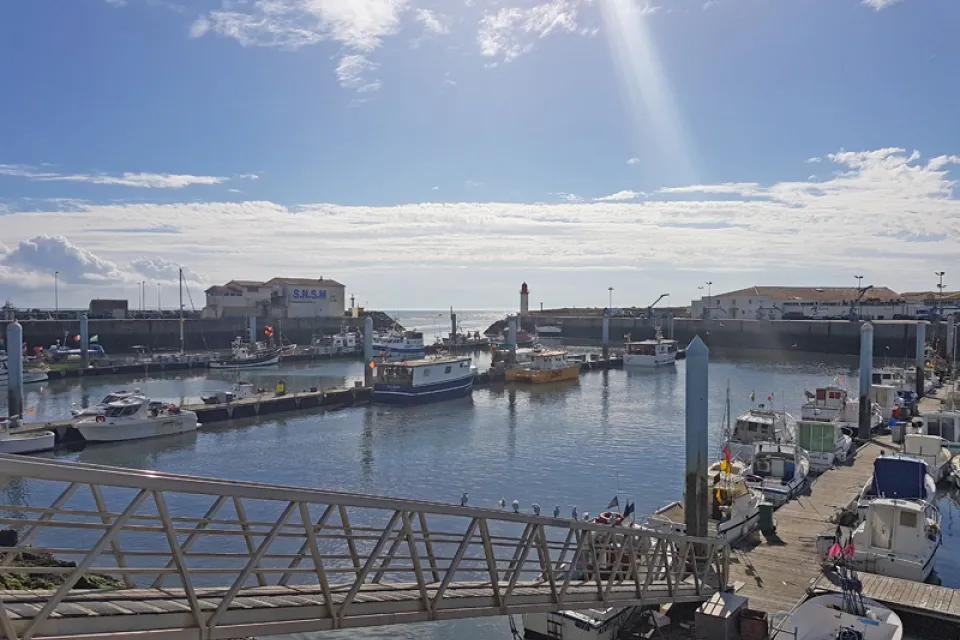
- The Port of La Cotinière is the first artisanal fishing port in Charente-Maritime. La Cotinière is an authentic place to live. Watching the boats return and the auction is a lively and colorful spectacle.
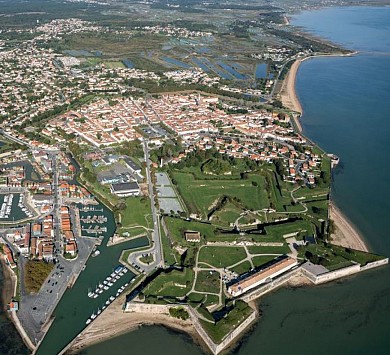
- The Citadel of Château-d'Oléron: This imposing 17th-century fortress, the work of Vauban, is a testament to the island's military history. You can stroll along the ramparts and enjoy views of the harbor.
Main Activities and Municipalities
The island of Oléron is divided into eight communes, each with its own charm and specificities:
- Saint-Pierre-d'Oléron : Considered the "capital" of the island, with its lively market and shopping streets.
- Saint-Trojan-les-Bains : To the south, known for its forest, beaches and thalassotherapy center.
- Château-d'Oléron : Famous for its citadel and artists' cabins.
- Dolus-d'Oléron, Saint-Georges-d'Oléron, La Brée-les-Bains, Saint-Denis-d'Oléron, Le Grand-Village-Plage: So many charming villages offering beaches, markets and different atmospheres.
The island is very popular for outdoor activities such as cycling, water sports, shore fishing, hiking...
The island of Oléron is a destination of choice for holidays with family, friends or as a couple, combining unspoiled nature, local gastronomy and cultural riches.
-
- Français
Services
- Island : Oléron Island
Useful information
Location : Sea side
Province : From island to island/ Île de Ré / Île d'Oléron