- Home page
- Top experiences
- Food Lovers
- Local specialties and products that you absolutely must try in Charente-Maritime
- Food Lovers
- Top experiences
Local specialties and products that you absolutely must try in Charente-Maritime
A country's gastronomy reflects its terroir and history. It's part of its identity. Exploring its regions, following their regional specialties, is a great way to immerse yourself in its culture, meet its producers, and discover delicious local products. We'll take you on a journey to discover the seafood from its coast and islands, the oyster farms at the mouth of the Gironde estuary, the delicate sweetness of the Marais Poitevin in the Aunis region, the wine-growing terroir of Saintonge… to inspire a gourmet getaway in Charente-Maritime.
Our selection of 16 specialties from Charente-Maritime
By the ocean, seafood takes center stage in the cuisine, but you'll find plenty of other delicacies. We've selected about fifteen, both savory and sweet, featuring local products and traditional dishes, with a bonus specialty not to be missed. Here's an overview of the local flavors and dishes to enjoy in this region nestled between land and sea.
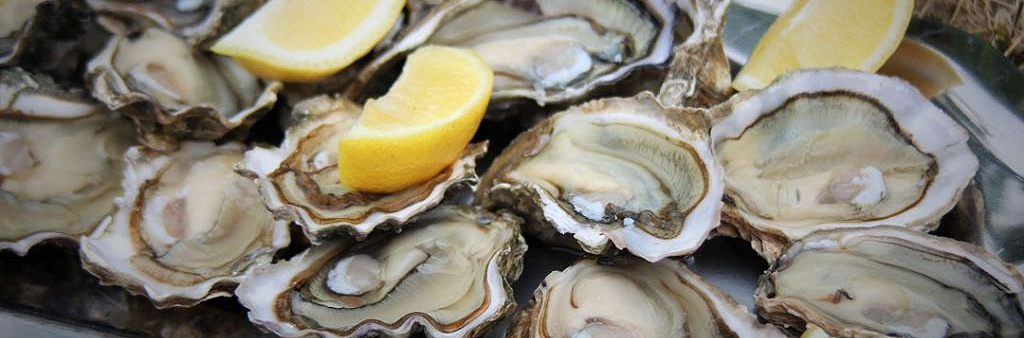
Oysters
They're our number 1. Of course, they're essential. They're the stars of seafood platters, but they can also be eaten hot and au gratin.
The Charente-Maritime oyster owes its reputation to the Marennes-Oléron basin, one of the most important oyster farming areas in Europe. It is here that the famous "fine de claire" oyster is born, refined in former salt marshes where it develops its characteristic green color. and its very particular iodine taste, less salty and more subtle than a classic farmed oyster. Several refinements are distinguished, from fine to special, depending on the time spent in the salt ponds and the farming density.
Traditionally eaten raw, with a squeeze of lemon or pickled shallots, oysters also lend themselves beautifully to hot preparations : gratinated with parsley butter, quickly pan-fried, or even tempura-style for the more adventurous. Enjoying oysters directly at the oyster huts, with your feet in the sand, remains one of the most authentic experiences on the Charente coast.
Bouchot mussels
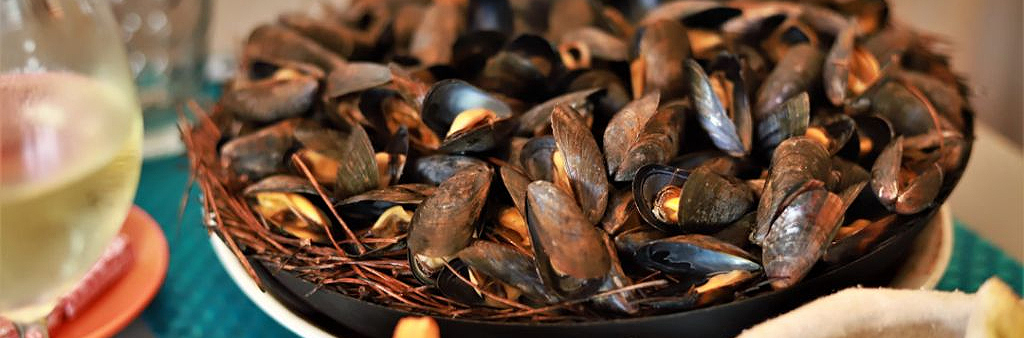
Here's another iconic shellfish: the mussel. Mouclade and éclade are more than just typical recipes, they are part of the culture of Charente Maritime.
The bouchot mussel takes its name from the wooden stake (the "bouchot") on which it is cultivated in the intertidal zone. This vertical farming method, which originated in the Bay of Aiguillon in the 13th century according to legend, produces a plump, sand-free mussel with a delicate flavor, recognizable by its blue-black shell. It is traditionally cooked en éclade, cooked outdoors on a bed of burning pine needles, a convivial and spectacular ritual still practiced during village festivals. In mouclade, it simmers in a smooth sauce made with cream and butter, sometimes enhanced with a touch of curry or Pineau des Charentes, a recipe that varies from one home to another along the coast.
Shrimp, crustaceans and fish
The ocean provides many other fruits besides these renowned shellfish. Charente cuisine makes use of all seafood, which forms the basis of many traditional recipes.
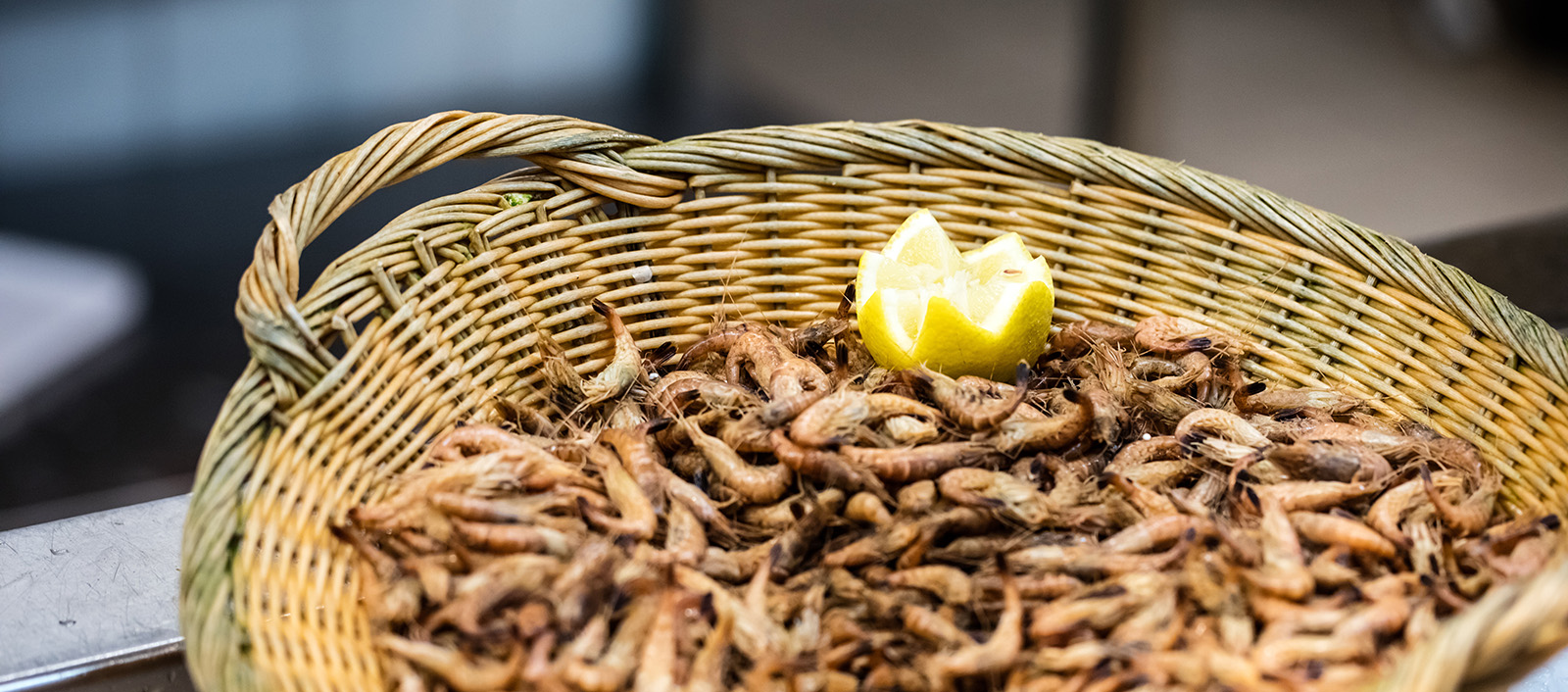
Brown shrimp, caught on foot in the channels at low tide or brought up by small coastal boats, are simply cooked in salted water and peeled at the table. The fish markets of La Rochelle, Royan, and the Île d'Oléron receive daily catches of sea bass, sole, cuttlefish, and skate, depending on the season and the tide, which are then sold directly at markets or in local fish shops.
These fresh products are the lifeblood of the entire regional cuisine : homemade fish soup, cuttlefish à la rochelaise simmered in their ink, or simply grilled fish drizzled with olive oil and salt from the Île de Ré. It's an ideal playground for those who like to cook according to what's available rather than a rigid recipe.
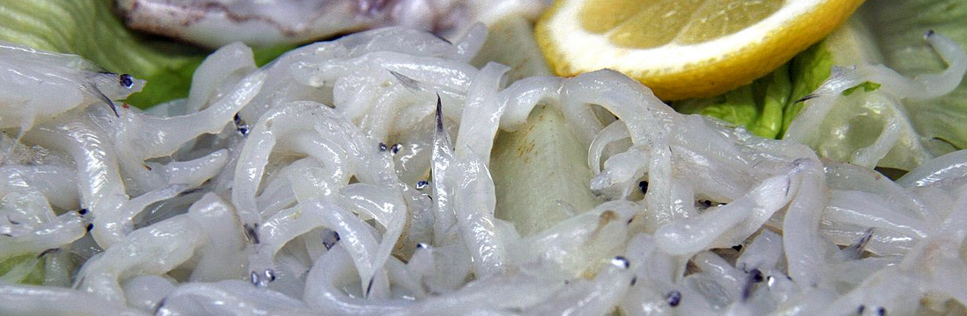
The elver
The estuarine eel and the glass eel (its young) are eaten fresh or smoked. Its rather fatty flesh is traditionally cooked in a matelote, that is to say in wine.
The elver, also called glass eel, is the very young stage of the European eel, fished in the Gironde and Charente estuaries during its upstream migration from the Sargasso Sea, where it was born. Its fishing, which is highly regulated to protect an endangered species, is traditionally carried out at night, using nets, during the winter months.
Once a poor man's dish, the elver has become a sought-after delicacy, cooked in parsley sauce or Basque style for the glass eels, while the adult eel is prepared in a matelote, simmered in red wine with onions and bacon, a recipe that recalls the proximity of the river and the vineyard in this region.
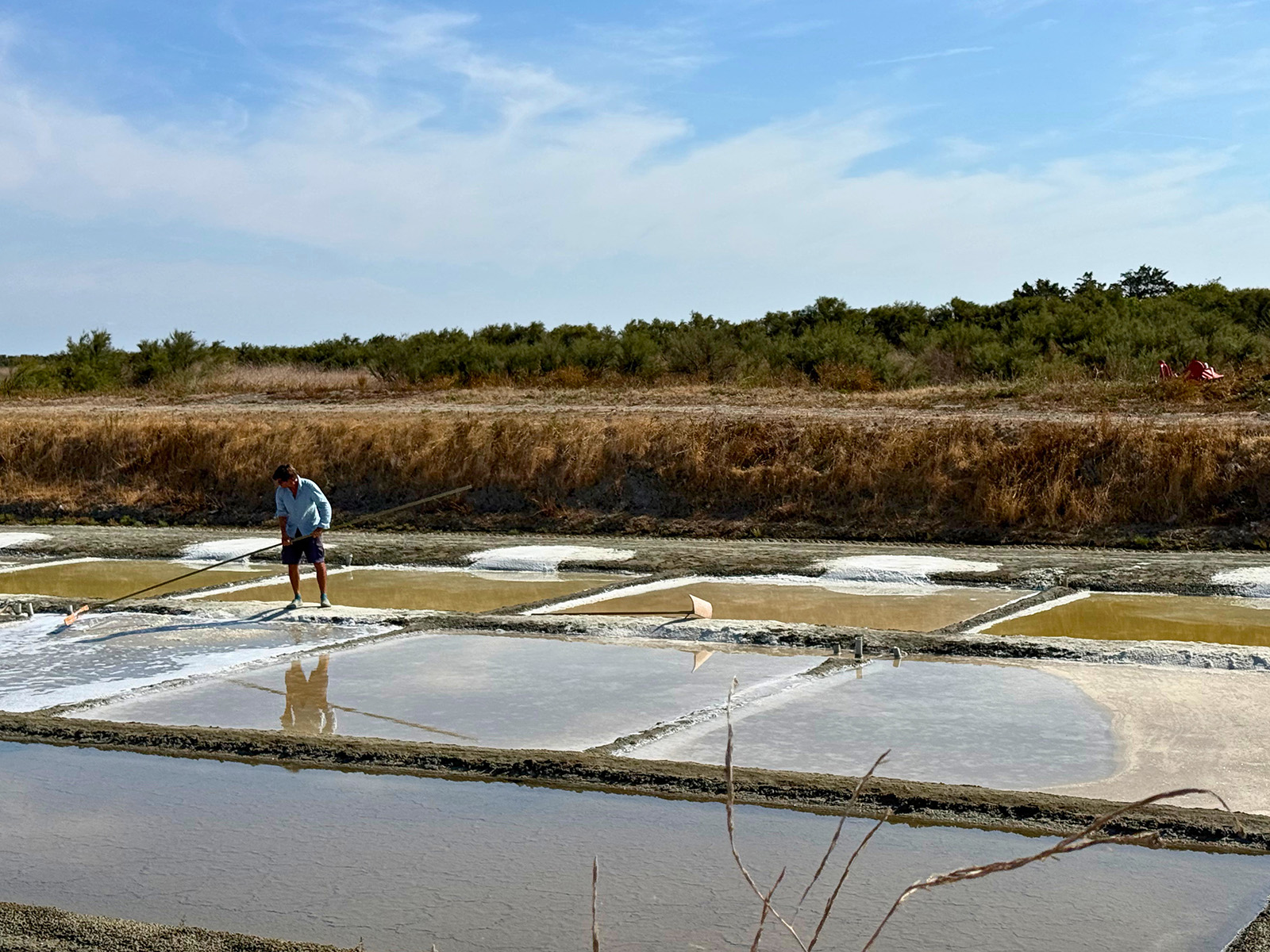
Salt from the Île de Ré
Salt marshes are an integral part of the coastal and island landscape.
Exploited since the Middle Ages, the salt marshes of Île de Ré and the Ars peninsula shape a unique landscape of clay basins where seawater slowly evaporates under the influence of wind and sun. The salt worker harvests two types of salt by hand: coarse grey salt, rich in trace elements, and fleur de sel, the delicate white veil that forms on the surface of the water in fine weather, harvested with a rake during the most favorable hours of the day.
This artisanal know-how, passed down from generation to generation, also shapes the marsh ecosystem, a refuge for many migratory birds. This salt is found throughout the local cuisine, from salted butter to caramels, and in seasoning fish and garden vegetables.
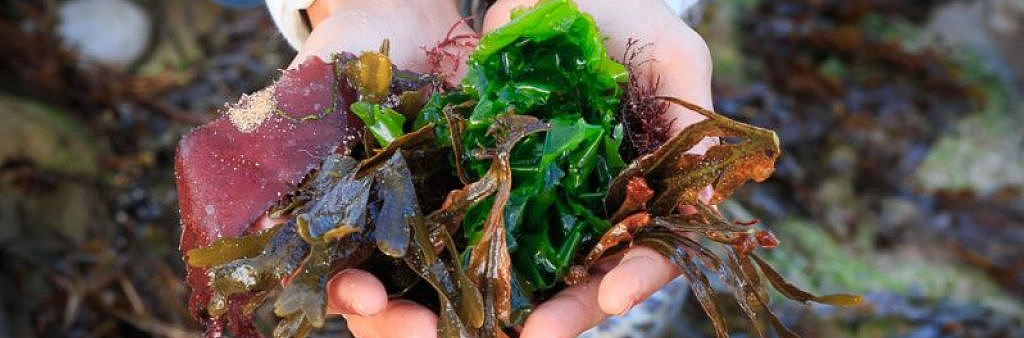
Charente seaweed
Seaweed is a seafood product that is still relatively unknown in France, even though it is widely consumed in Asia and especially in Japan.
The coasts of Île de Ré, particularly around Ars-en-Ré, are home to a wide variety of edible seaweed : sea lettuce, dulse, wakame, and royal kombu, all hand-harvested on the foreshore at low tide. Rich in minerals, iodine, and protein, they are now finding their way into an increasingly creative local cuisine : seaweed tartare, a condiment to accompany seafood, or even incorporated into bread and savory biscuits. Long overlooked in France, this Charente seaweed is now winning over chefs and individuals alike, all seeking healthy, locally sourced food.
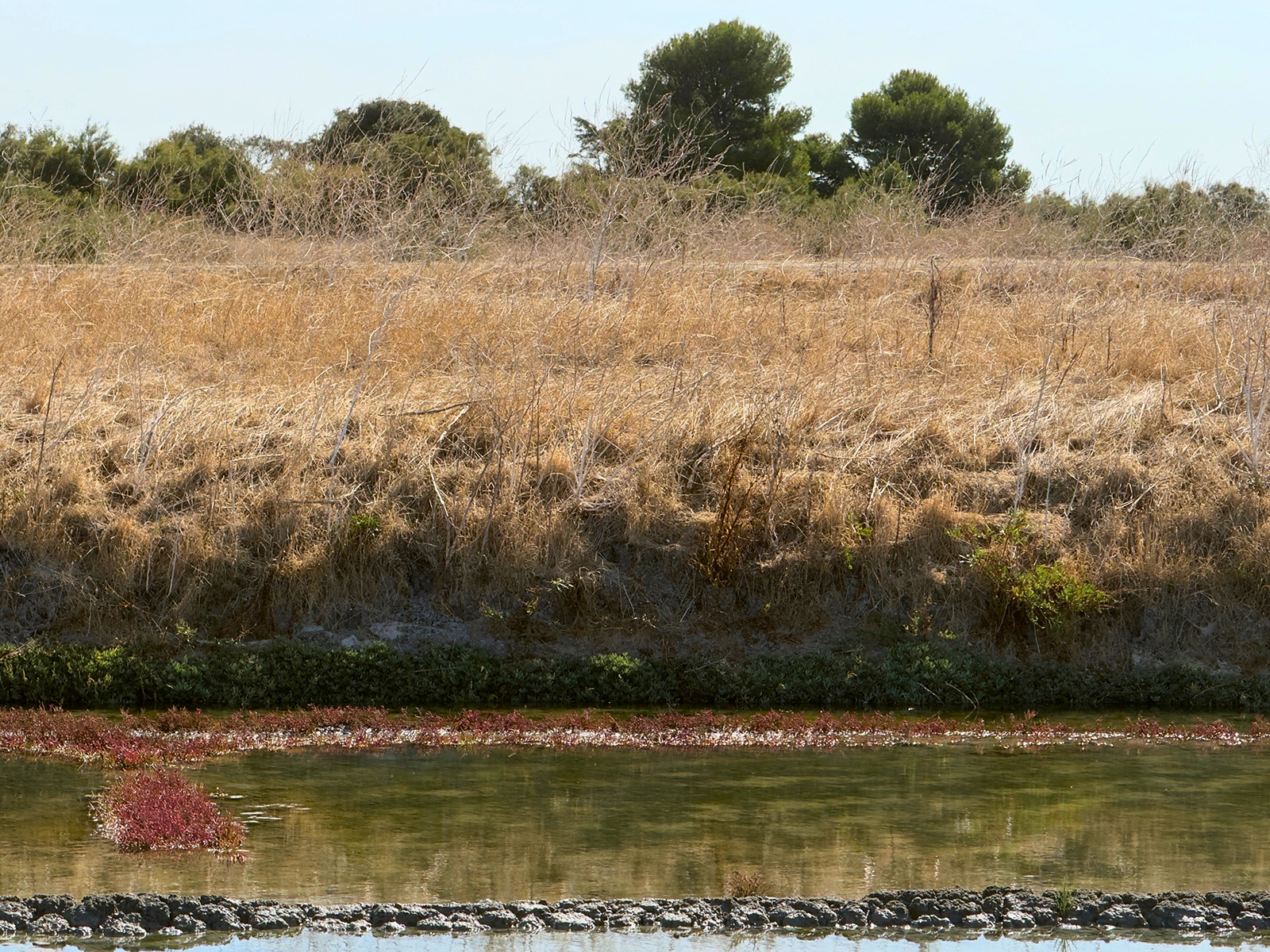
Samphire
It is one of the few plants that appreciate the salty environment and grow on soils loaded with salt: beaches, salt marshes… Oyster farmers cultivate it in addition to their oyster production.
Nicknamed " sea bean " or " sea pickle " for its crunchy texture, samphire grows wild on mudflats and coastal marshes, nourished by the salt water that irrigates it. It is traditionally harvested in spring and early summer, when its young green shoots are still tender and slightly salty. It can be eaten raw in salads, simply dressed with a drizzle of olive oil, but can also be blanched for a few minutes in boiling water to soften it, or pickled in vinegar to enjoy year-round, much like a gherkin.
The strewn
Jonchée, an iconic dairy specialty of the Marais Poitevin and Saintonge regions, is a fresh cheese traditionally made with curdled milk placed on a bed of woven rushes, hence its name. This plant-based mold once gave the cheese its characteristic shape and a light vegetal aroma, in addition to allowing the whey to drain naturally during the aging process.
Once made on the farm with fresh milk, jonchée was a simple way to add value to local dairy production in a region known for its cattle and goat farming. Even today, a few artisanal producers continue this traditional method, selling it at markets in its small rush or wicker basket. It is best enjoyed very fresh, within hours of being made, plain or simply sprinkled with sugar and drizzled with a little thick cream. Sweet, creamy, and slightly tangy, it's a simple and authentic dessert, somewhere between fromage blanc and faisselle, and the perfect way to end a meal in the Charente region.
The potato from the island of Ré
In " Protected Designation of Origin ", it is a so-called " early " production because it is harvested young.
Grown in the light, sandy soils of Île de Ré, warmed early by the oceanic climate, the new potato benefits from an early harvest, generally starting at the end of April, well before other growing regions. Its thin skin, which peels off almost on its own, doesn't allow for long storage: it should be eaten within a few days of purchase, ideally boiled or steamed in its skin to preserve the delicate texture of its melting flesh. It is traditionally served simply, with local salted butter, to allow its delicate, slightly sweet flavor to shine through.
Charente crickets
It is a type of pâté, made from lean pieces of pork, which are slow-cooked for several hours.
The meat, usually shoulder or belly, is slowly cooked in its own fat with a few aromatics until it becomes meltingly tender. It is then shredded by hand to achieve that rustic texture, somewhere between rillettes and confit. This long cooking method, inherited from a time when preserving meat without refrigeration was the goal, gives Charentais cracklings a rich flavor and a good shelf life in jars. They are traditionally enjoyed warm or at room temperature, generously spread on a slice of country bread, as a starter or appetizer, accompanied by a glass of red wine or Pineau (in moderation!).
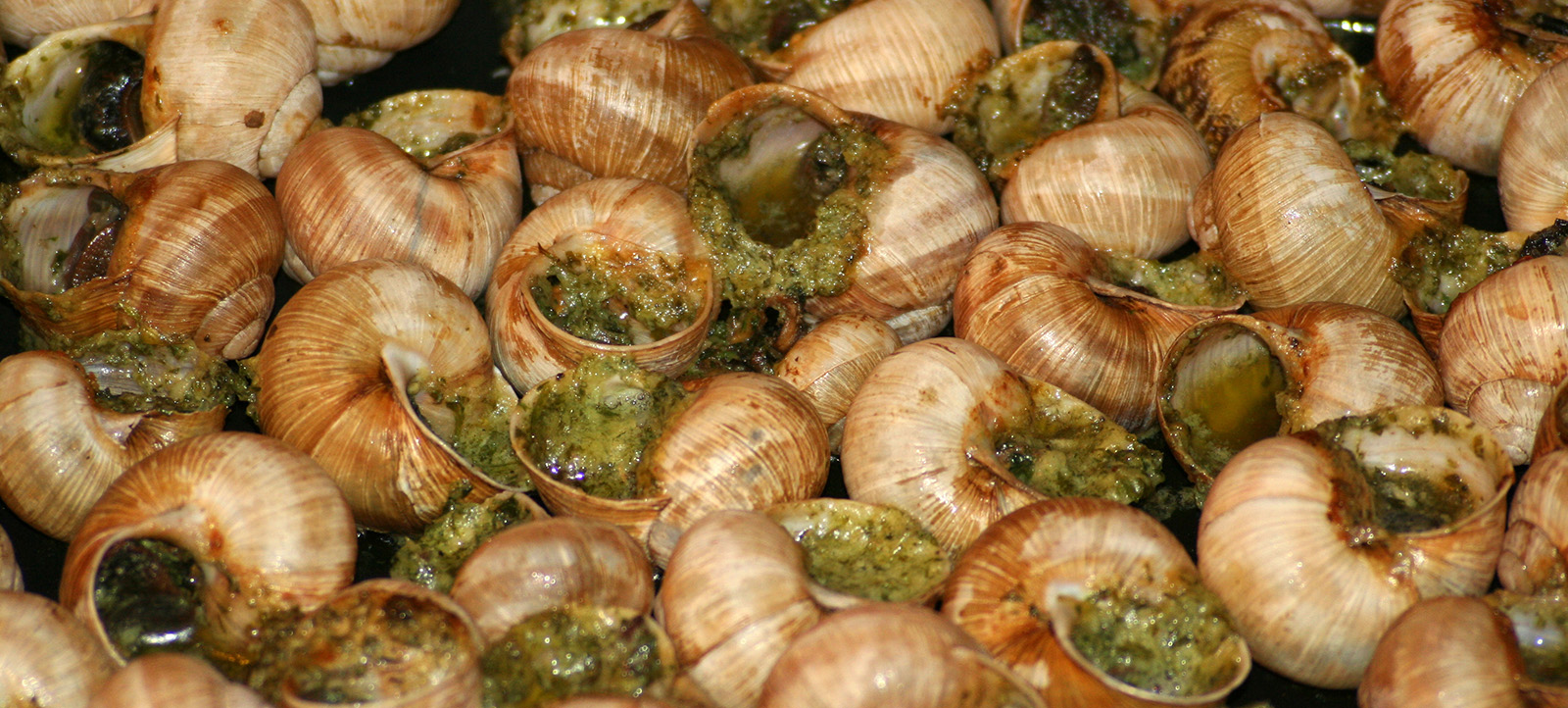
The snails of Saintonge
These are small grey snails, typical of the Saintonge region, traditionally cooked with wine or Pineau de Charente.
The word " cagouille " is so deeply rooted in local identity that it also colloquially refers to the inhabitants of Charente-Maritime: they are called "Cagouillards." The small grey snail is traditionally gathered after rain, in vineyards and hedgerows, then purged for several days before being cooked. The most common recipe involves simmering it for a long time in a white wine or Pineau sauce, seasoned with garlic and parsley, and sometimes enriched with country ham. This simmered dish, traditionally served at family meals and village festivals, remains a staple of Saintonge cuisine.
The Charentaise galette
It is a traditional cake from the Marais Poitevin, flavored with angelica.
Made with flour, butter, and eggs, this galette is distinguished by its dense, soft crumb, golden surface, and the subtle aniseed notes of candied angelica, an emblematic plant cultivated in the marshes of the Aunis region. Traditionally prepared for special occasions, it keeps for several days and can be enjoyed at breakfast or as an afternoon snack, accompanied by a cup of tea or coffee. It is readily available from local artisan bakers and pastry chefs, as well as at farmers' markets.
The cornuelles
These triangular dry biscuits, with a hole in their centre, are usually given as gifts for Palm Sunday.
This distinctive shape—a pierced triangle designed to be threaded onto a sprig of boxwood—recalls the religious tradition that gave rise to them: in the past, children received them blessed with the palm branch on the Sunday before Easter. Made with flour, butter, and sugar, and sometimes flavored with orange blossom or lemon, these dry, crisp biscuits keep well and are simply enjoyed dipped in coffee or hot chocolate. Although their consumption is historically linked to the religious calendar, they can now be found year-round at some artisan bakeries dedicated to this tradition.
The "broken wood"
A 19th-century confectioner's mistake created this cooked sugar candy, instead of a berlingot.
Legend has it that a confectioner from La Rochelle, by accidentally ruining his berlingot recipe, created this hard, brittle candy with a texture similar to hardened caramel, which he nevertheless went on to market successfully. Made from cooked sugar that is then stretched and broken into small, irregular pieces—hence its name—it comes in a variety of flavors, from red berries and mint to coffee. This artisanal candy, still made using traditional methods by a few confectioners in the region, has become a true local institution, given as a souvenir or simply enjoyed at the end of a meal.
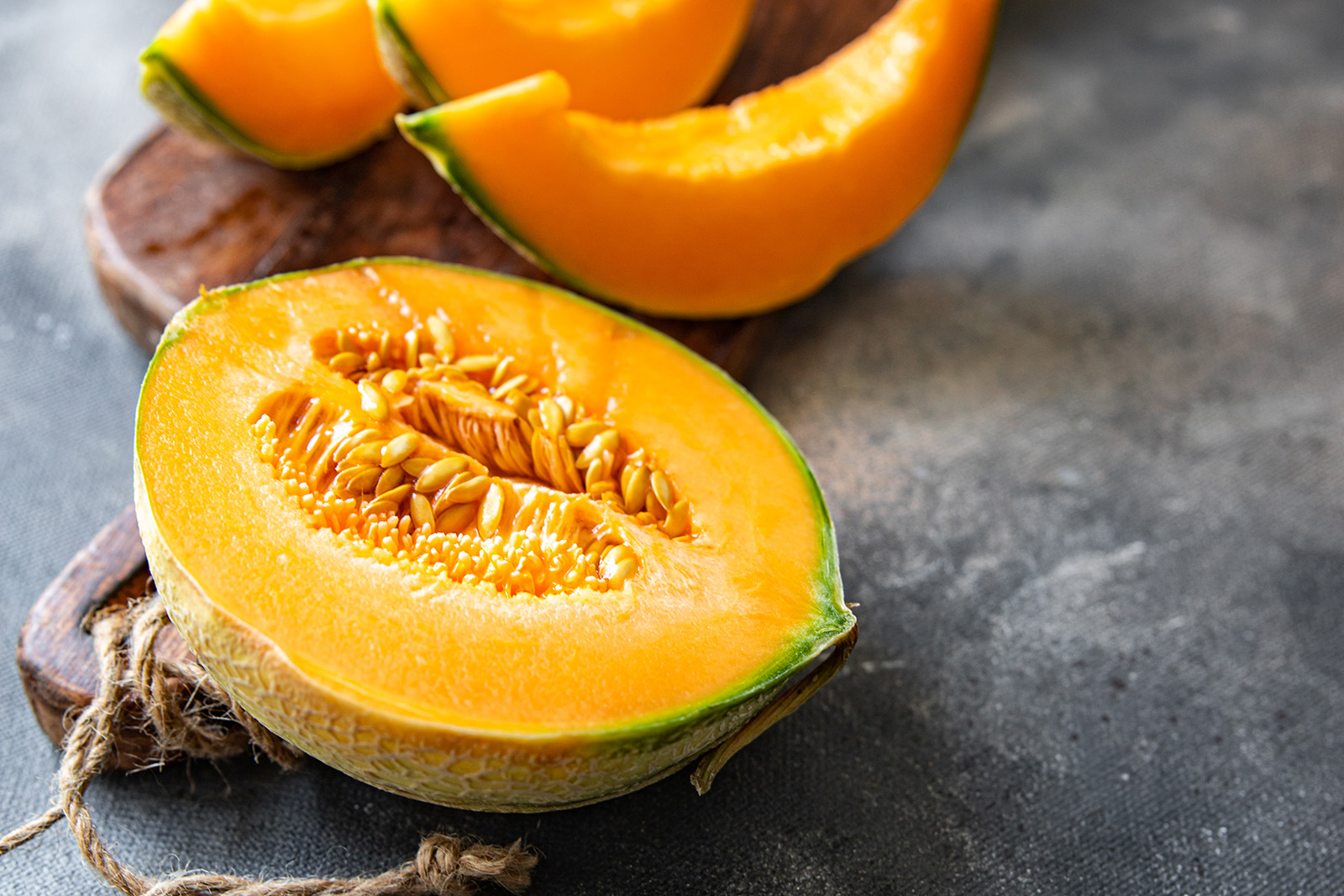
The Charentais melon
It is called "charentais", but it grows throughout the south and center of France.
Recognizable by its smooth, ribbed, orange-tinged skin when ripe, and its sweet, fragrant flesh, this melon owes its name to the region that made it famous in the 19th century, even though its cultivation has since spread widely. Harvested in the height of summer, from June to September, it is chosen for its aroma and its slightly cracked stem, a sign of full ripeness. Its versatility in the kitchen makes it a popular ingredient: as a starter with country ham or a splash of Pineau des Charentes, in a summer salad, or simply eaten plain, by the spoonful, as a dessert.
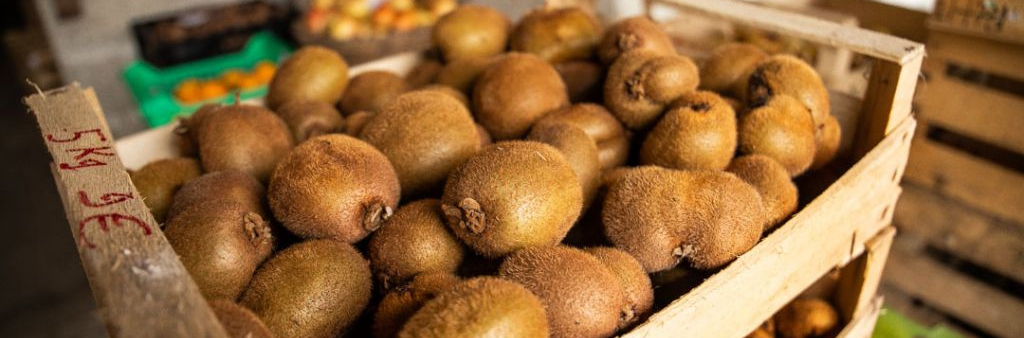
The kiwi
The oceanic climate and sunny valleys are well suited to this fruit. Sweet and slightly tart, it is an exceptional product.
Introduced to France in the 1970s, the kiwi has found particularly favorable conditions in Charente-Maritime, thanks to mild winters and summers tempered by the proximity of the ocean. The harvest generally takes place from October to November, but the fruit, picked while still firm, continues to ripen for several weeks before being sold, allowing it to be enjoyed well into winter. Rich in vitamin C, it is most often eaten fresh, cut in half and enjoyed with a spoon, but also as juice, in fruit salads, or as an accompaniment to savory dishes for its touch of acidity.
Emeschers
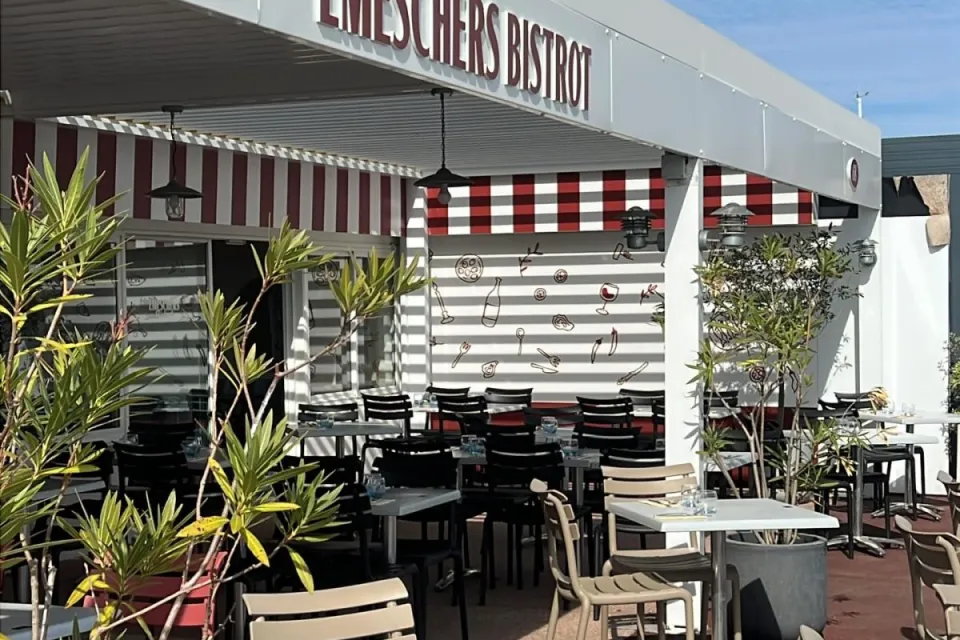
A vibrant table between land, sea and seasons on the Côte de Beauté
Le Grand Large
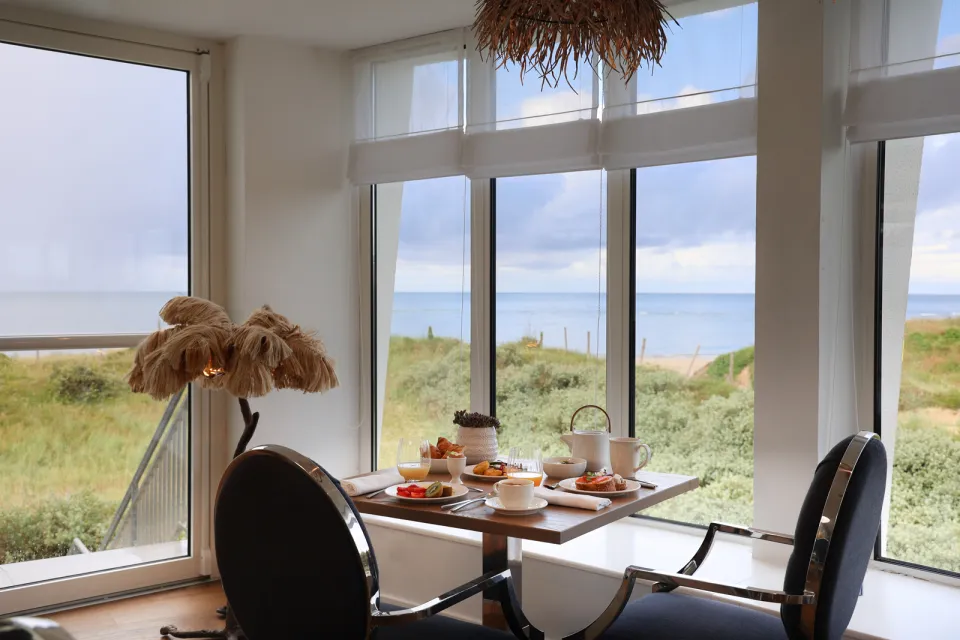
Enjoy brunch in an exceptional setting in Dolus-d'Oléron
Le Grand Large
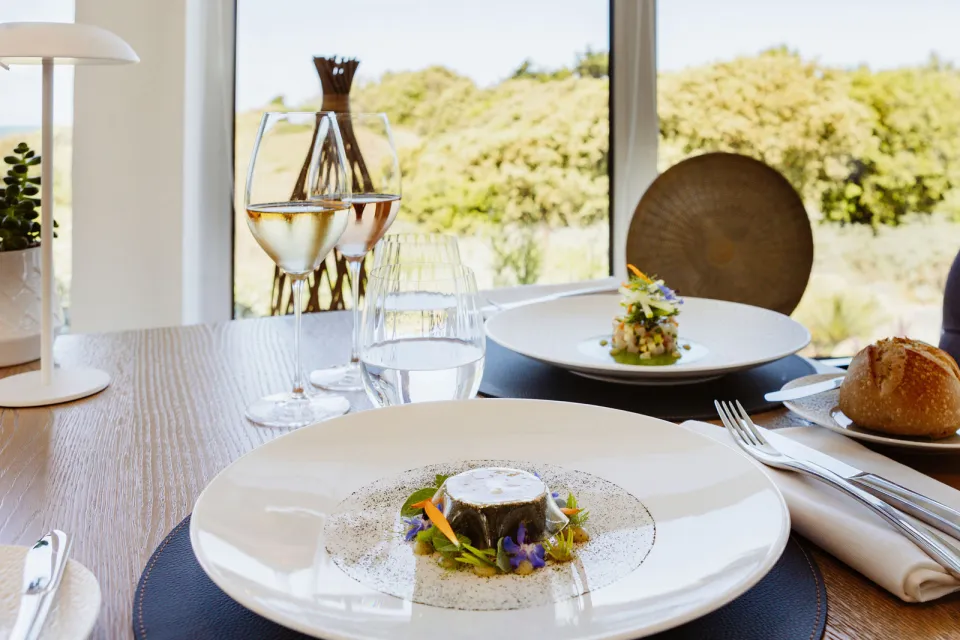
A refined restaurant, a cuisine that blends land and sea, on the island of Oléron
The delicious beverages of Charente Maritime
As an aperitif, we recommend a Pineau des Charentes, of course. Originating in the 16th century, it is recognized by the "Appellation d'Origine Contrôlée " (AOC). It is a fortified wine, obtained when the fermentation of the grapes is stopped by the addition of alcohol. For Pineau, cognac is used. Pineau can be red, rosé, or white. White Pineau has a taste of honey and spices. Rosé and red Pineau are fruitier.
This young vineyard also offers a certified " Vin de Pays " (country wine), available in red, rosé, and white. The red wines are intensely fruity, with pronounced red and black fruit aromas: these are rich, flavorful wines that complement grilled red meats or charcuterie. The rosés are fruity and pair well with tapas or fish dishes. The white wines have briny notes and a floral aroma, with a subtle hint of citrus, making them a perfect match for a seafood platter or fish.
As a digestif, a cognac will be perfect, of course. This " burnt wine," originally, comes from the distillation of local wine, aged in oak barrels for at least two years. With its " Appellation d'Origine Contrôlée " (AOC) designation, it's the blend created by the cellar master that gives it its character, and longer aging lends it its prestige.
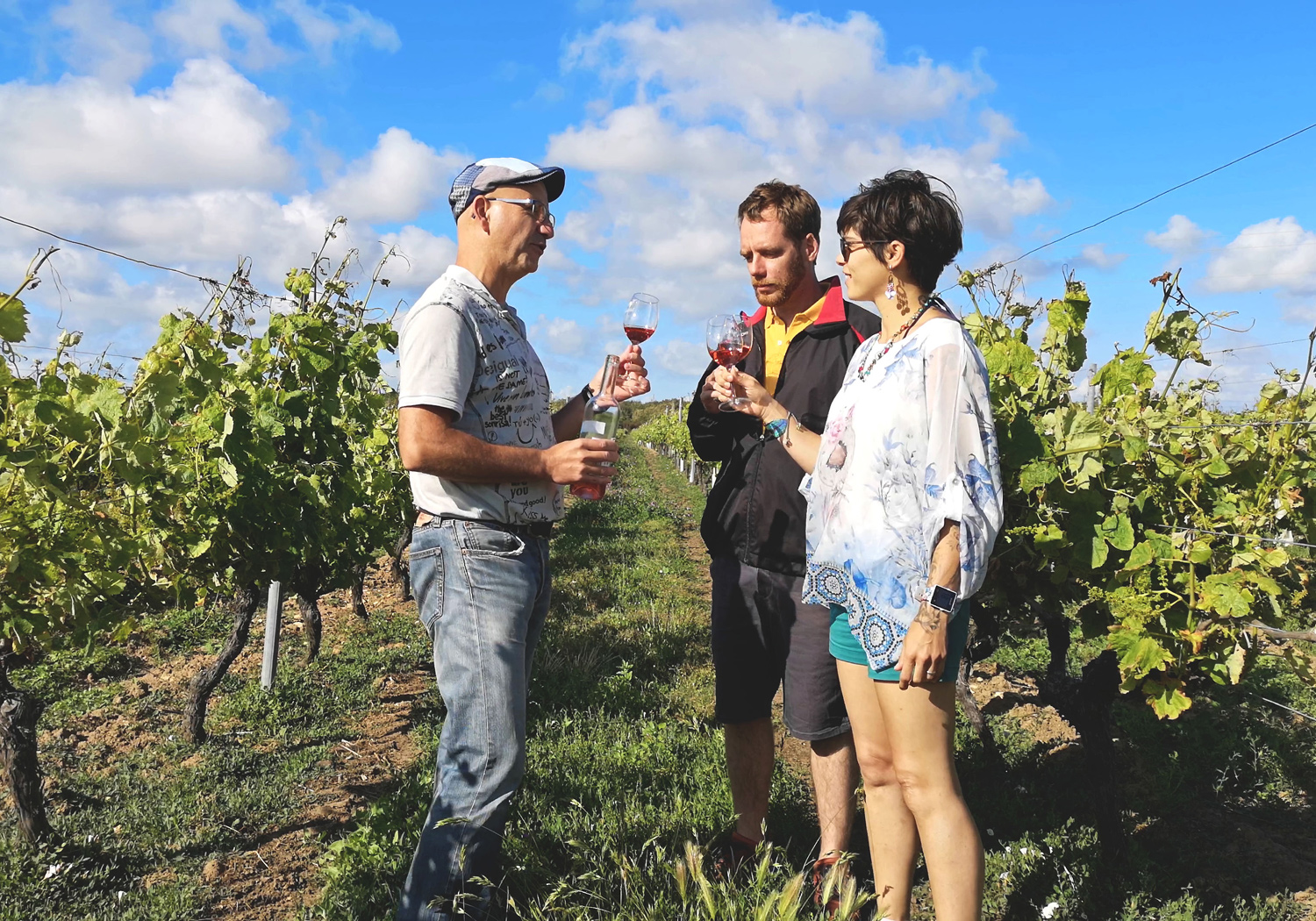
Meeting the producers
To taste all these products, learn about the techniques and meet passionate people, here are our recommended places:
- Markets are vibrant hubs for living, meeting, and sharing, bringing together numerous professionals in a friendly atmosphere. The traditional market is constantly reinventing itself to cater to all your desires: gourmet markets, night markets, farmers' markets…
- Another iconic place, which combines authenticity, modernity and conviviality: the Central Market of Royan.
- In Bois-Plage-en-Ré you will find the Marché des Producteurs Ré-unis (United Producers Market). There you will discover everything that is produced on the Île de Ré.
- To find good seafood, discover our top 5 oyster huts to taste oysters on the island of Ré.
Key points to remember about the specialties of Charente-Maritime
Marennes-Oléron oysters, Bouchot mussels, Île de Ré salt, Marais Poitevin stony ground, Pineau and Cognac from Saintonge: Charente-Maritime boasts a rare terroir, shaped by both the ocean and the land. Each of these Charente specialties tells the story of local expertise, often passed down through generations, and can easily be found in markets, at producers ' farms, or in the oyster huts of the department.
- What are the must-try specialties of Charente-Maritime? Marennes-Oléron oysters, Bouchot mussels, Île de Ré salt and Pineau des Charentes are among the most emblematic products of the department, alongside more confidential delicacies such as jonchée or "bois cassés".
- Where to taste local products in Charente-Maritime? Farmers' markets, oyster huts on the island of Ré and wine estates in Saintonge are the best places to meet producers and buy directly.
- What is the typical sweet specialty of the region? Jonchée, a fresh cheese traditionally molded on rushes and served with cream, is one of the most characteristic sweets of the Marais Poitevin and Saintonge.
Our exploration of Charente specialties is coming to an end! We hope we have inspired you to continue it in person, through a tasting, during your next gourmet getaway in Charente-Maritime.
Did you enjoy our report? Find more in the Top Experiences section.
Connect to the Charente Maritime Guide Facebook page to stay up-to-date on our latest news. We're also on Instagram @guidecharentemaritime
our favourite
Quiz Room La Rochelle
in La Rochelle

Top experiences
What to do in Charente-Maritime in autumn?