- Home page
- Tourism
- Discover
- Visit of the Charente Maritime
- Pays d'Aunis and the Coastline, La Rochelle, Rochefort and Marennes
- Visit of the Charente Maritime
- Discover
- Tourism
Pays d'Aunis and the Coastline, La Rochelle, Rochefort and Marennes
Automatic translation
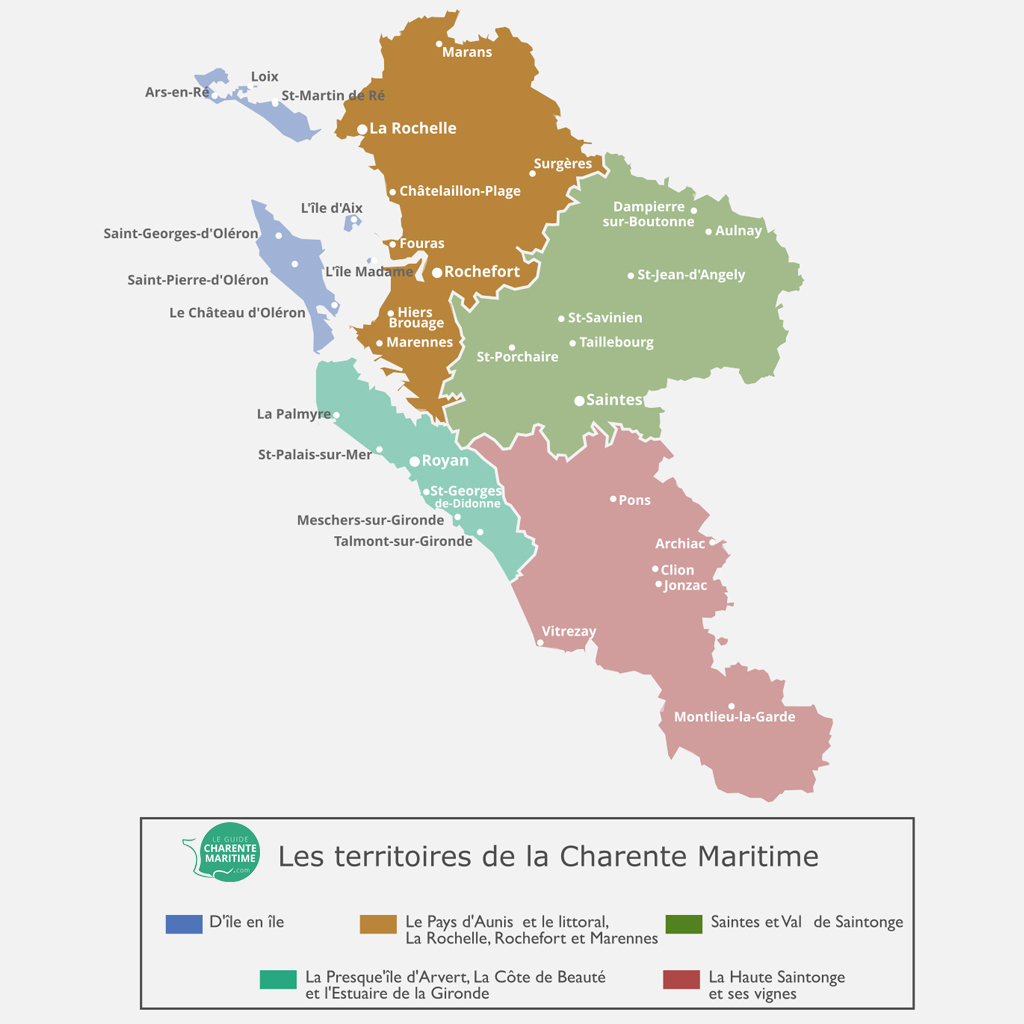
The Aunis region, a sedimentary plain of limestone and marl, includes:
- To the north, the Poitevin marsh and the Green Venice, a maze of water and greenery, with incomparable flora and fauna.
- To the east and south is Saintonge, and to the west is the coastline, with its capital, La Rochelle. The Aunis region boasts Romanesque churches, the pride of its towns and villages. Its coasts include the seaside resorts of Châtelaillon-Plage and Fouras, and its inland areas include Marans, the gateway to the Poitevin marsh, Rochefort and Surgères. They constitute an authentic region steeped in history.
- The Seudre estuary extends to the south, with Marennes, the cradle of the oyster.
La Rochelle, maritime tradition
History
La Rochelle was once a fishing village, then a trading port for salt and wine. A Protestant city, envied for its prosperity by Richelieu and Louis XIII, it was the object of a siege resulting in starvation. The mayor at the time, Jean Guiton, appealed to the English, in vain. The city surrendered in 1628, having lost 4/5 of its population.
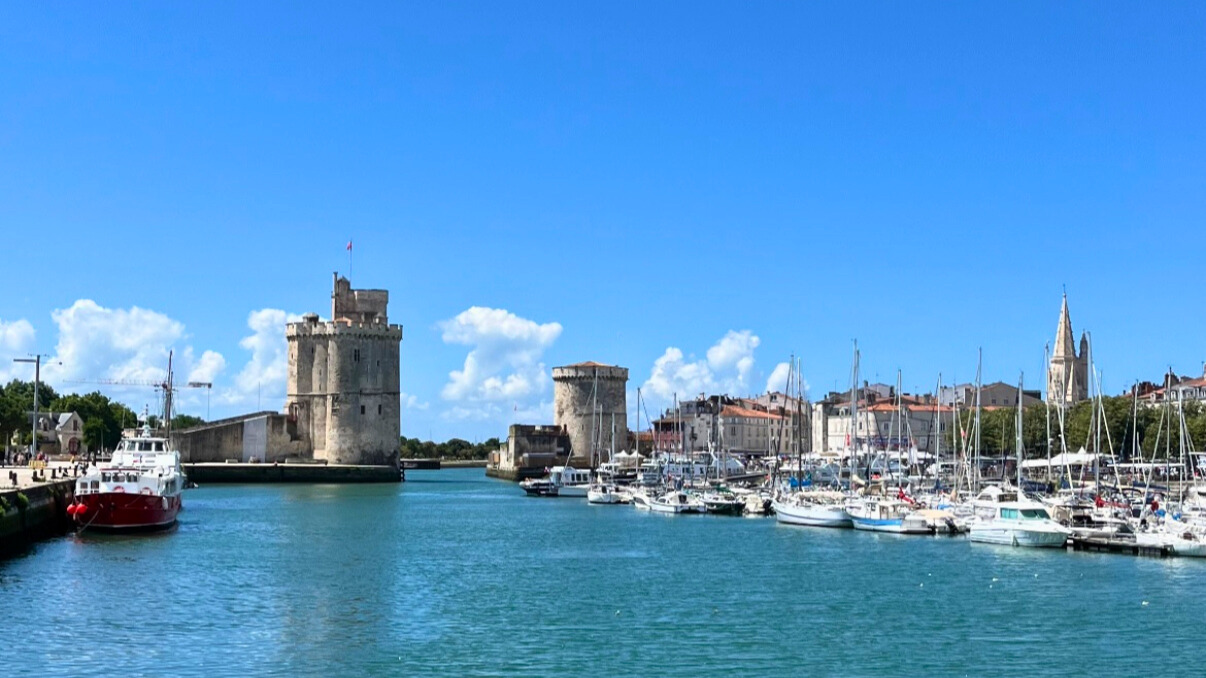
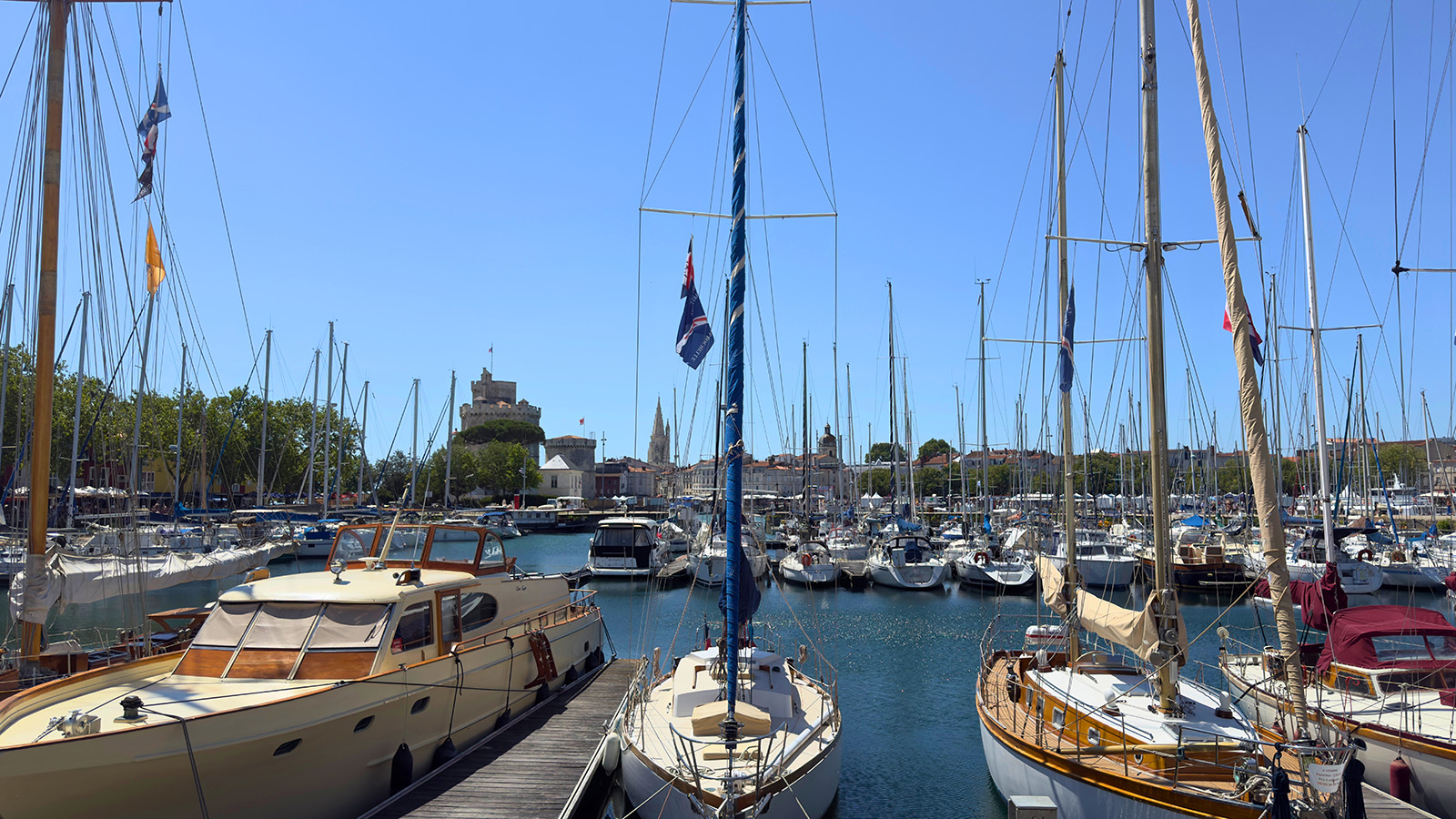
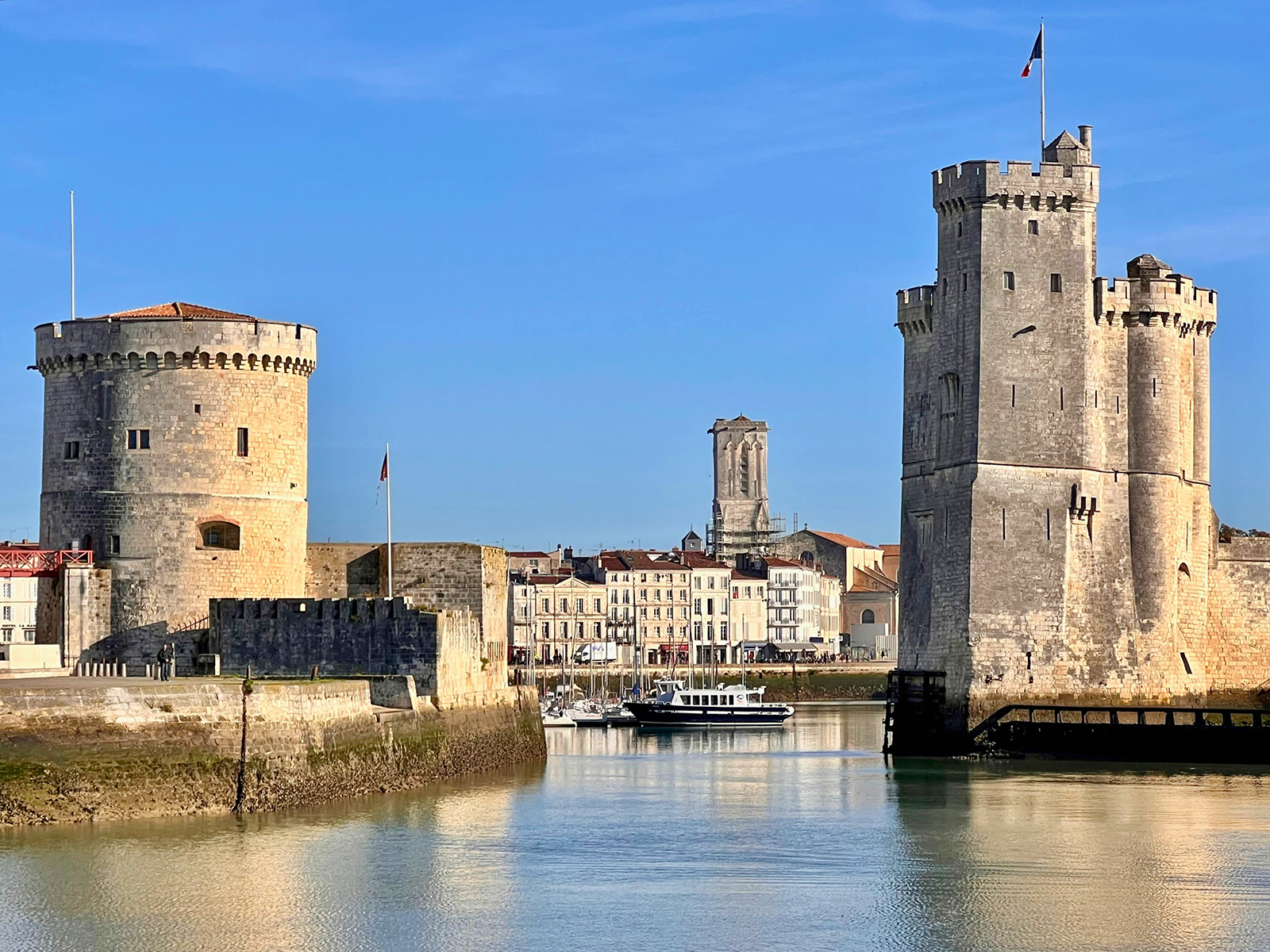
In the 18th century, the city launched into the slave trade and became a major slave port. This economic prosperity ended in the 19th century. The old port, the city's emblem, is framed by the Saint-Nicolas and Chaîne towers.
Today, the town is home to a fishing port with an ultra-modern fish market at La Pallice and a marina , the largest in Europe, at Les Minimes.
Events not to be missed
- La Rochelle is also known for its Francofolies festival, created by Jean-Louis Foulquier, who has since passed away. It has become a benchmark for French-language songs, attracting around a hundred artists, as many concerts and thousands of festival-goers every summer.
- Another important event: the Grand Pavois. This is the benchmark boat show that welcomes all sailing enthusiasts.
- Don't miss the La Rochelle International Film Festival or the Fiction Festival.
Activities in La Rochelle
La Rochelle is a pleasant, sunny city where you can go cycling. It is also one of the first cities to have created cycle paths and self-service two-wheel rental. A special feature: the sea bus. It allows you to go from one bank to the other and to go from the old port to the port of Minimes, a few kilometers away.
It is pleasant to stroll through the old town, to walk under the arcades, to admire the elegant residences and private mansions from the 18th/19th century, to visit the old market square.
Several museums enhance your visit to La Rochelle:
- The Maritime Museum ;
- The New World Museum ;
- The Museum of Fine Arts ;
- The Museum of Natural History ;
- The Orbigny-Bernon Museum...
The La Rochelle Aquarium allows you to visit the marine depths of our coasts but also of other continents, with more than 12,000 varieties of fish and marine animals.
Crocos Club
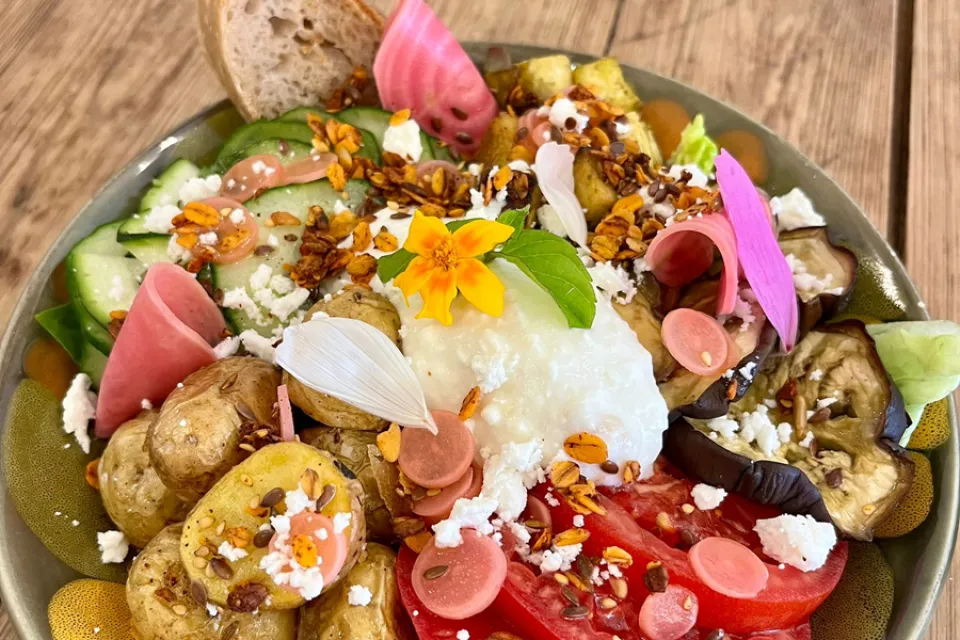
Creative and friendly cuisine in La Rochelle
119 m
Arkham

Cocktail bar for your evenings with friends in the heart of La Rochelle
150 m
Le Comptoir Saoufé
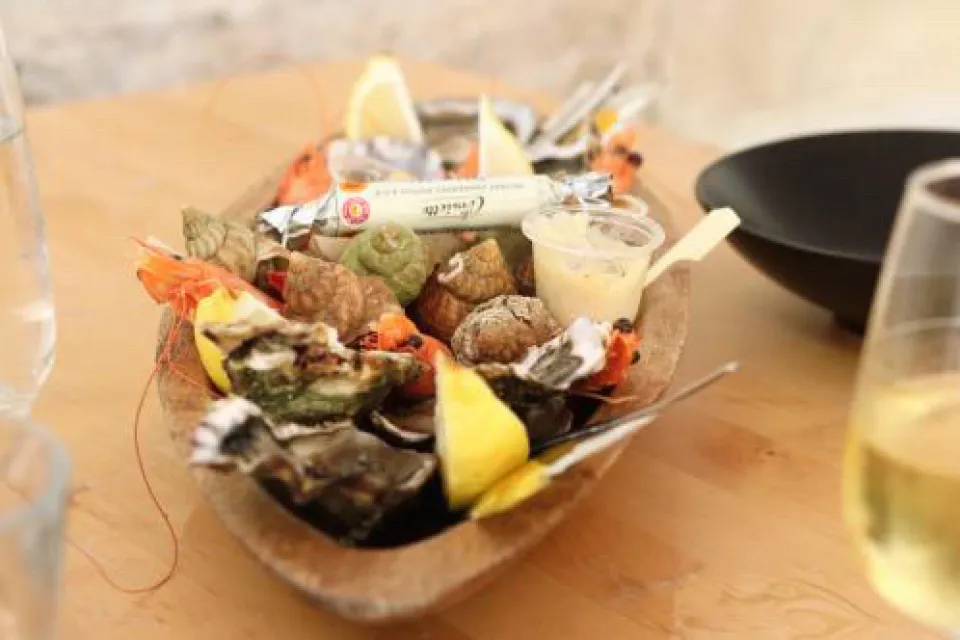
Oyster bar featuring local products in the heart of La Rochelle
200 m
SURGÈRES AND ITS BUTTER
Located in the center of the Aunis province, Surgères owes its name to the Gères River, which it overlooks. A fortified town, built with ramparts, towers, and a feudal castle, it was an ideal place to monitor the marshes and surrounding lands. The fortress suffered during the Hundred Years' War and the War of Religion.
On the ruins, a stately home was built in the 18th century by François de la Rochefoucaud, Marquis of Surgères. Surgères owes its prosperity in the 19th century to viticulture. After the ravages of phylloxera in 1876, the town turned to dairy production. Eugène Biraud created the first cooperative dairy with the butter that has since made his reputation.
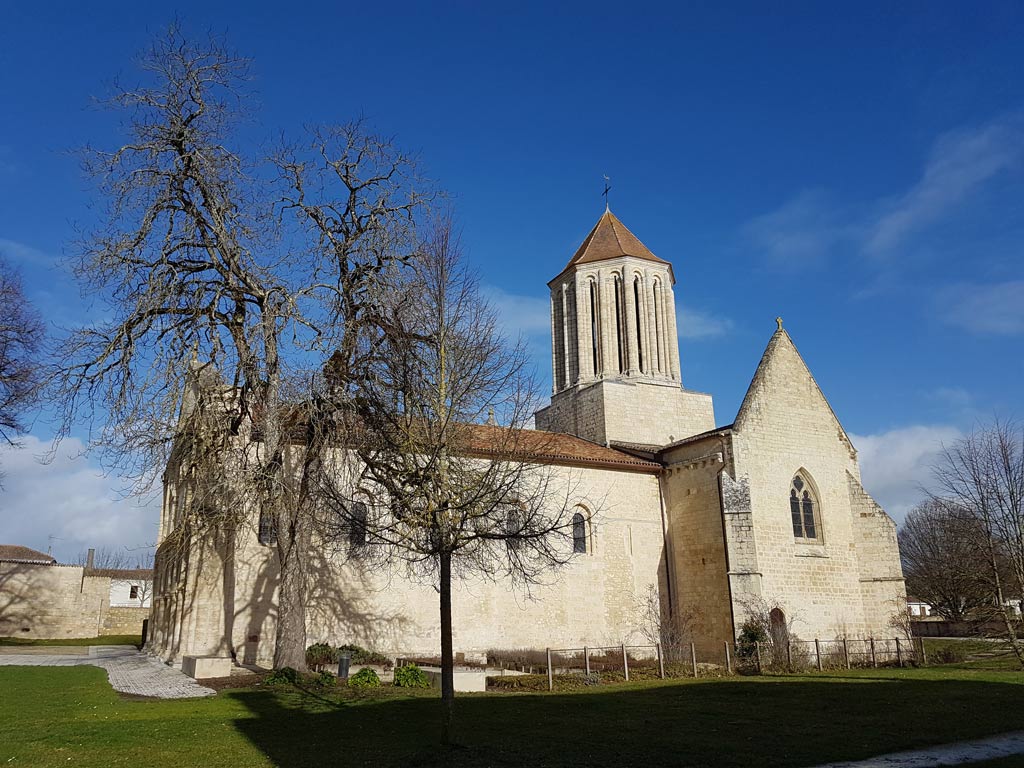
While strolling through the historic heart, you can visit the Notre-Dame church, a jewel of Romanesque art. It is dominated by an octagonal bell tower and has one of the most beautiful facades in the Aunis and Saintonge region, 23 meters long and sculpted with 116 figures.
Not to be missed:
- The ramparts of the old fortress;
- The park houses a Renaissance gate;
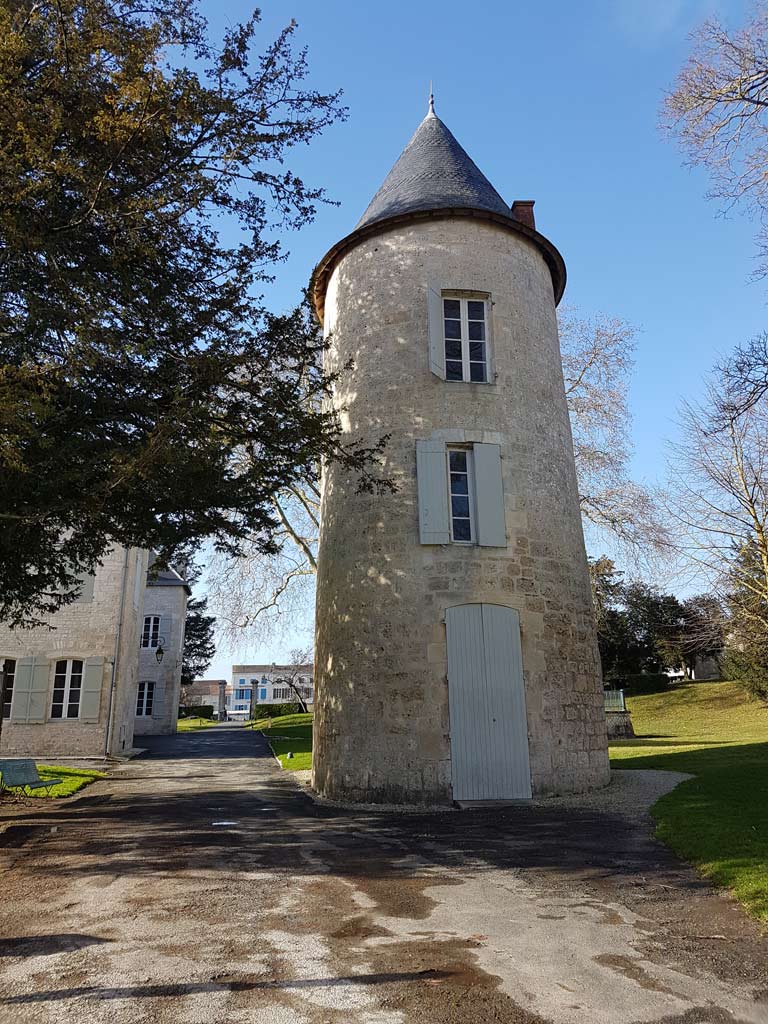
- The Hélène Tower, a remnant of the keep of the old castle. It owes its name to Hélène de Fonsèque, lady of Surgères and muse of the poet Ronsard.
Campsite of the Gères
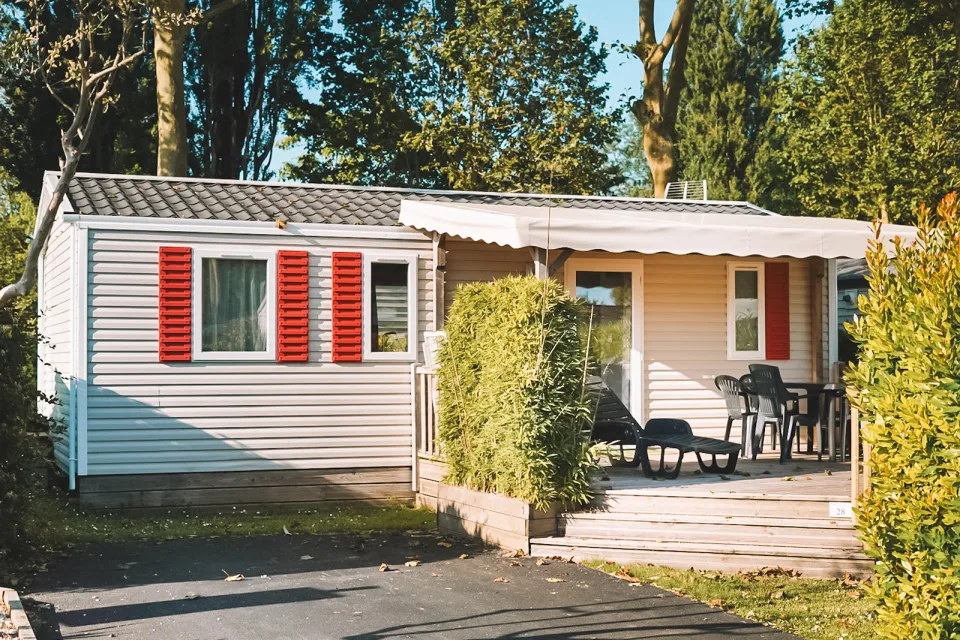
Camp by the river near La Rochelle
412 m
Le Fournil
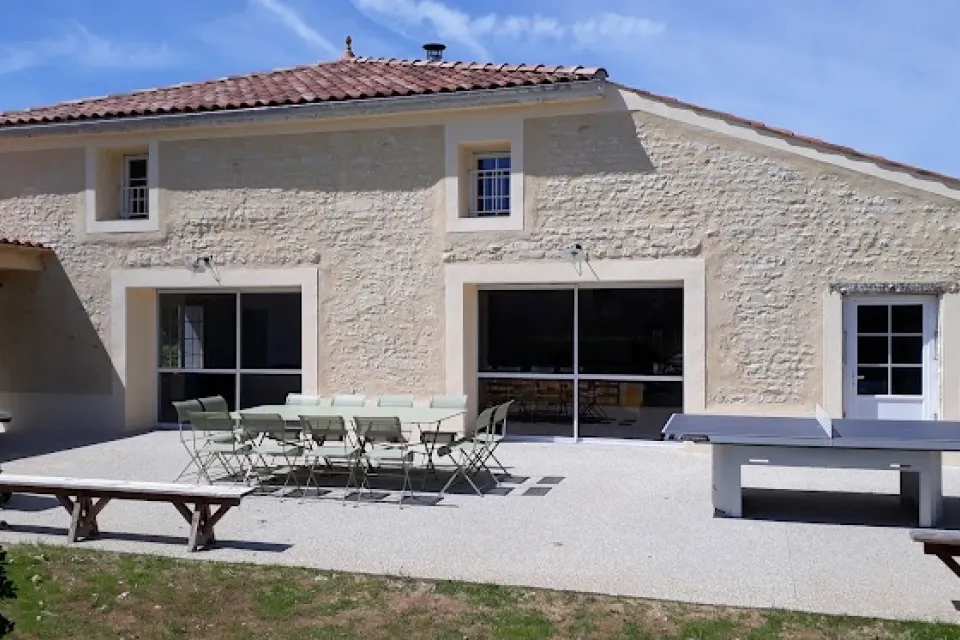
Large cottage with swimming pool in Surgères
3,8 km
Le Relais
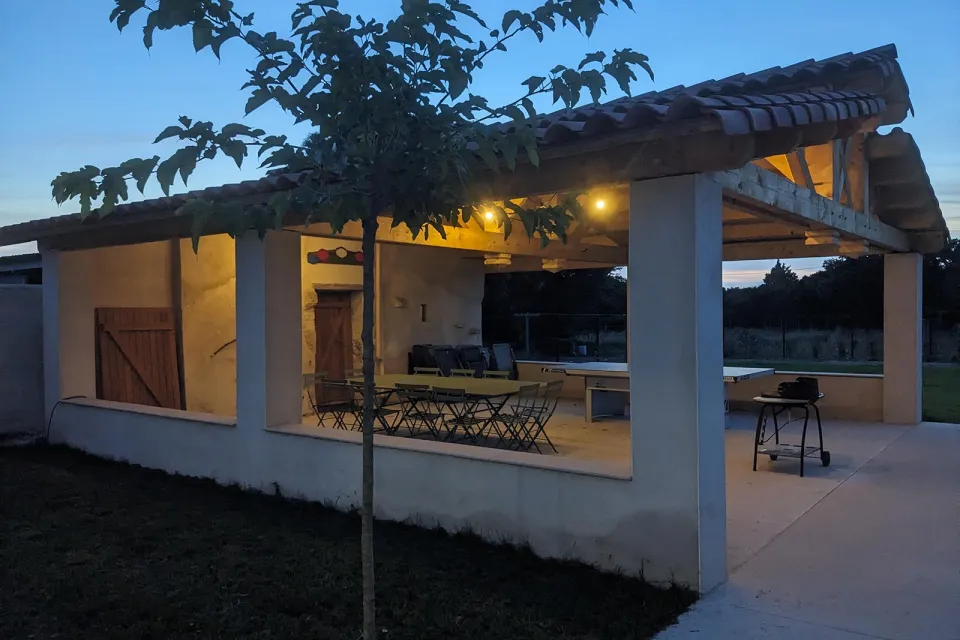
3-star gîte in Surgères
3,8 km
MARANS
A marina at the gateway to the Poitevin Marshes, Marans is a former fortified stronghold designed to defend the Sèvre estuary. It is naturally protected by vast marshes that stopped any approaching invaders. Its port, located a few kilometers from Aiguillon Bay and the Atlantic Ocean, experienced heavy traffic at the time before its activity ceased to become the marina we know today.
- You will enjoy strolling through its pleasant streets and alleys and enjoying the tranquility of the place due to its small size. Discover its architectural heritage by visiting the Saint-Étienne church founded in the 12th century. The remains still standing make this church a little jewel of Charente religious heritage.
- The castle, of which only ruins remain today, has experienced many adventures over the centuries. The ruins, listed as a Historic Monument, bear witness to a past life full of twists and turns.
- Other historical, archaeological, and local documents are on display at the Cappon Museum, which traces the entire history of Marans. It allows the more curious to learn a little more about this Charente town.
Marans is also renowned for its many local products such as its famous chickens and their red eggs, its fruits and vegetables (the famous red bean of Marans!), its seafood and its spices.
Marans is located on a major road, not far from La Rochelle. The port is therefore an ideal destination for visiting some of the other famous sites in Charente. Several boat trips (electric or thermal) are available, with a wide choice of circuits, to discover the marshes and its surroundings.
Poterie de Saint-Sauveur
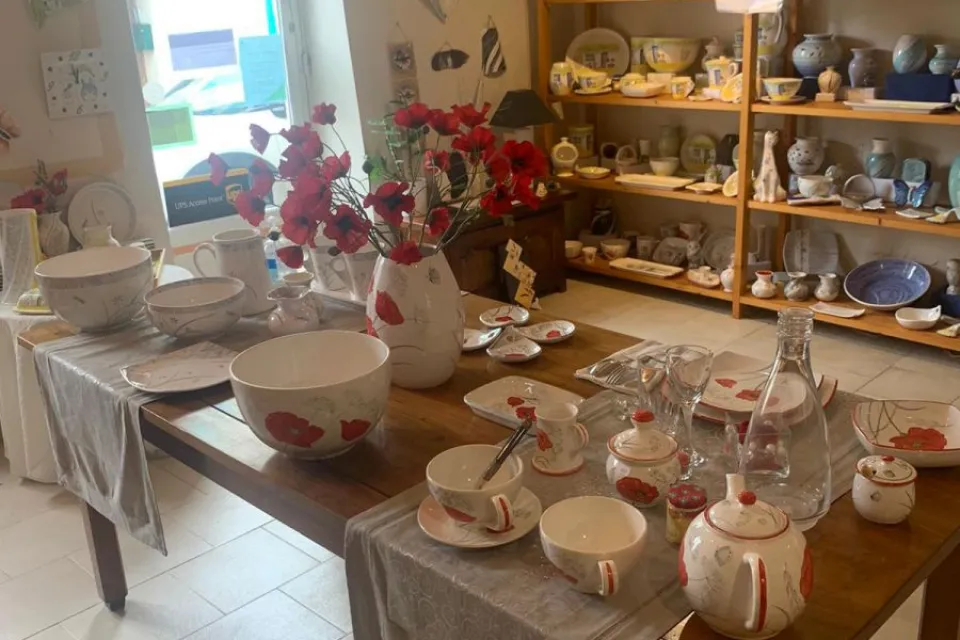
Handcrafted earthenware from Saint-Sauveur-d'Aunis, hand-painted in the workshop
13,2 km
Asinerie des Varennes
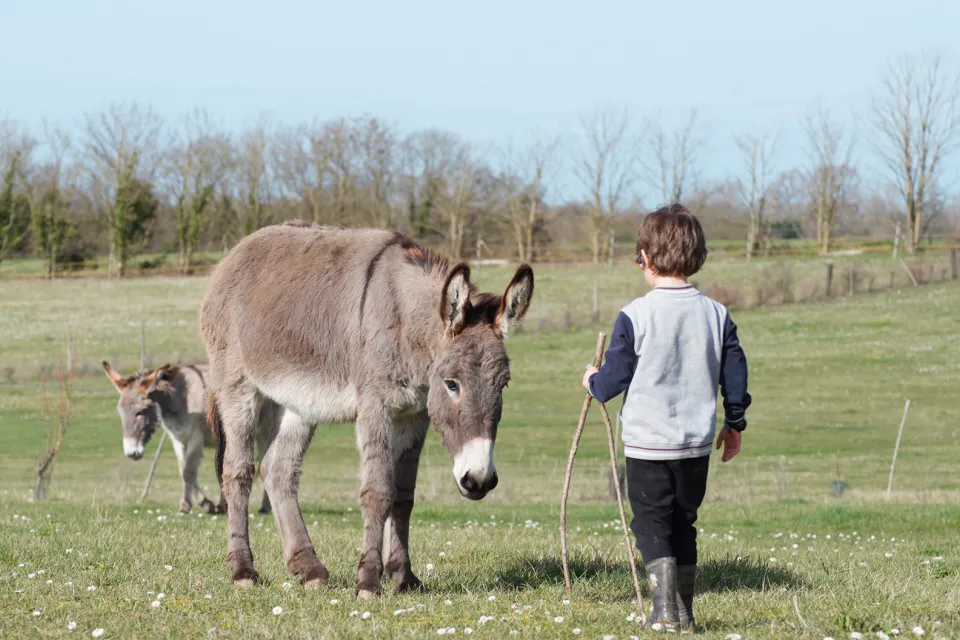
Immerse yourself in the heart of nature in Dompierre-sur-Mer
14,0 km
La Maison du Poney
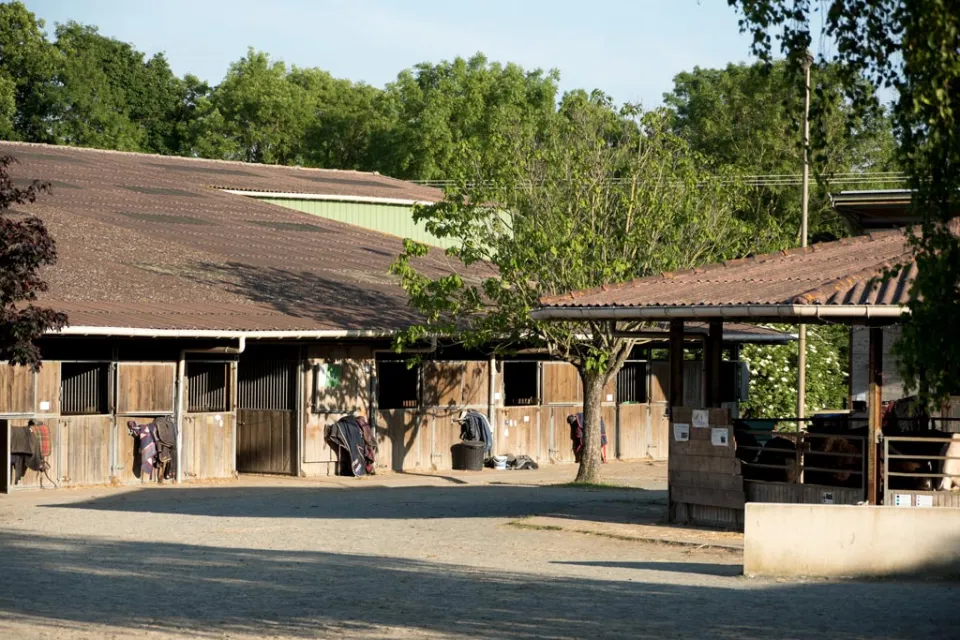
Equestrian centers 5 minutes from La Rochelle
14,6 km
Châtelaillon-Plage, former capital of Aunis
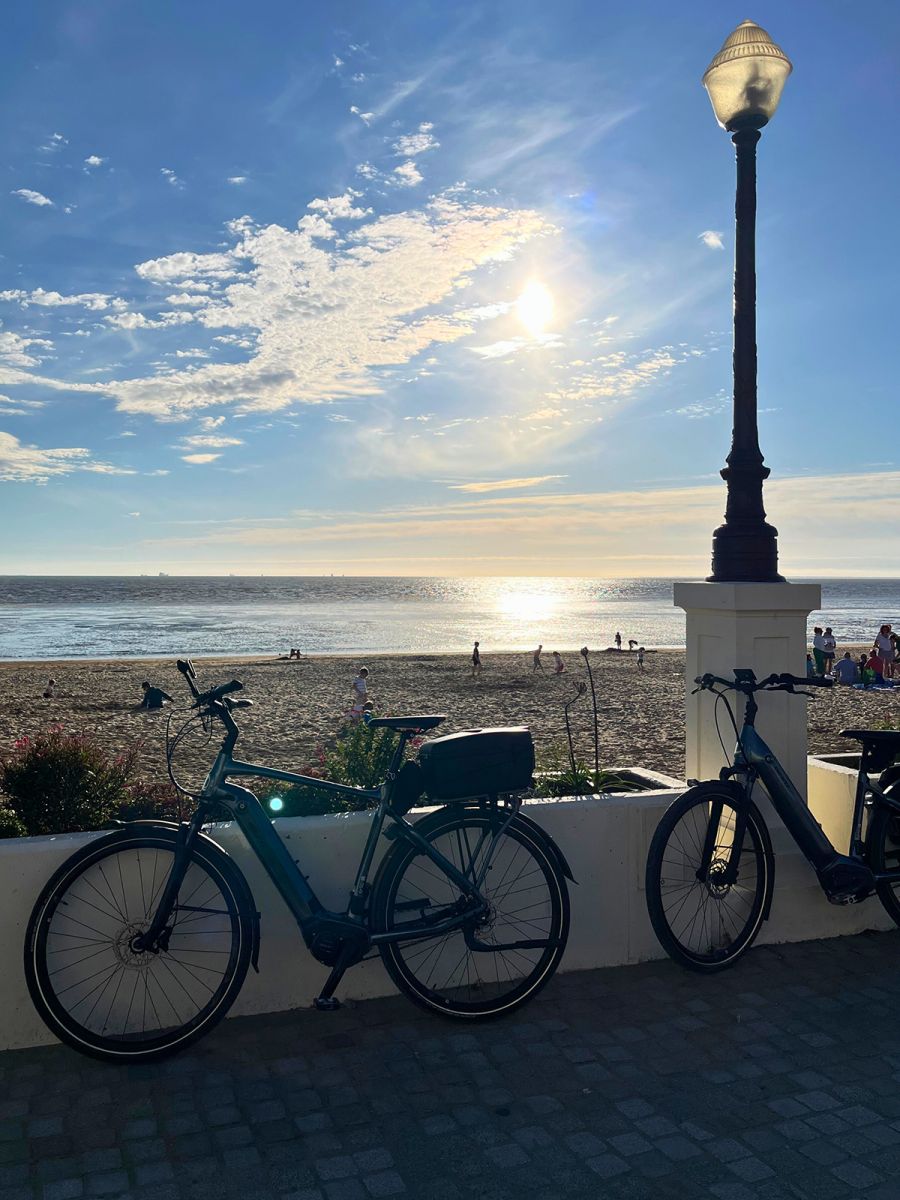
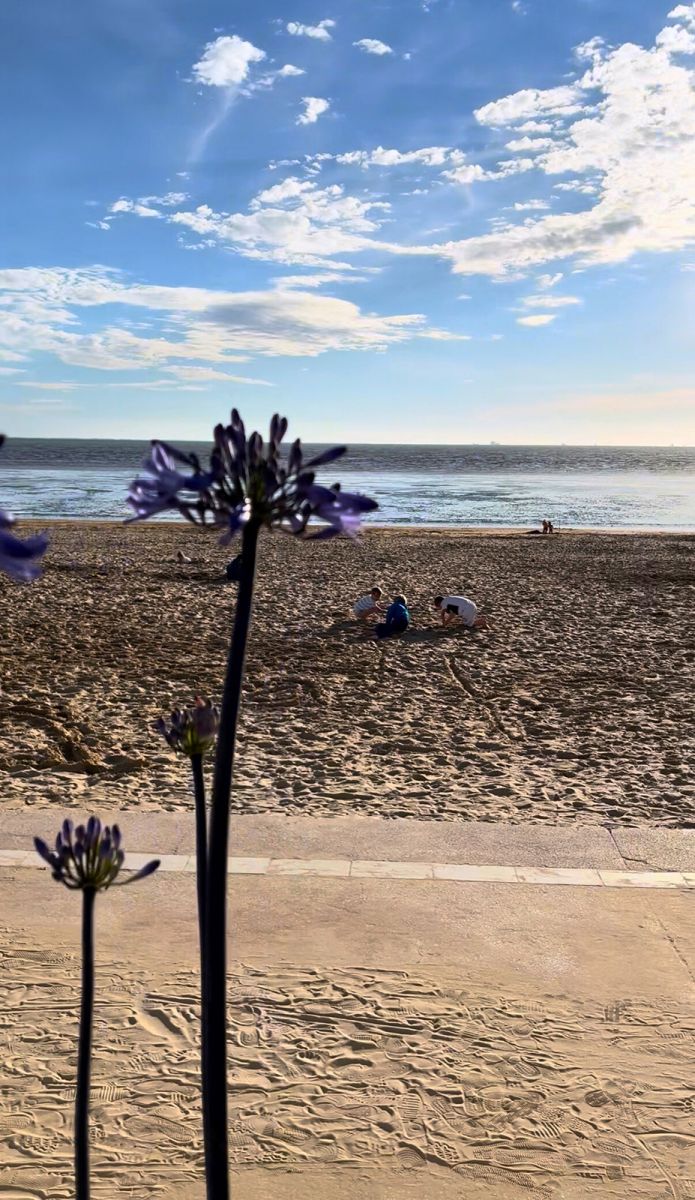
It became famous with the first sea bathing in 1870. With its retro charm, the town attracts the eye with, along its seafront, beautiful villas typical of the seaside architecture of the Belle Époque. It is a very sunny seaside resort with a huge beach and a casino. On the Boucholeurs beach, mussels and oysters are farmed. To the south, around a large lagoon, you can discover the Yves marsh nature reserve , with its remarkable biodiversity.
Several events take place every year in Châtelaillon-Plage :
- Come and discover the Kite Festival : it usually takes place on Easter weekend or nearby. It brings together all those who are passionate about these flying objects, which fascinate young and old alike.
- Also discover the communal festival “ Chatel en Fête ” where all the inhabitants gather around a theme found on the market stalls, in the streets and in the parades.
- Finally, the Boucholeurs Festival takes place in August. It offers all its participants the chance to discover its local heritage, particularly oyster and shellfish farming. Old-fashioned games are also featured, and seafood tastings await the most demanding gourmets.
All of these festivities provide a very good overview of the activities and heritage of Charente in these seaside regions.
Pop Up Lumi
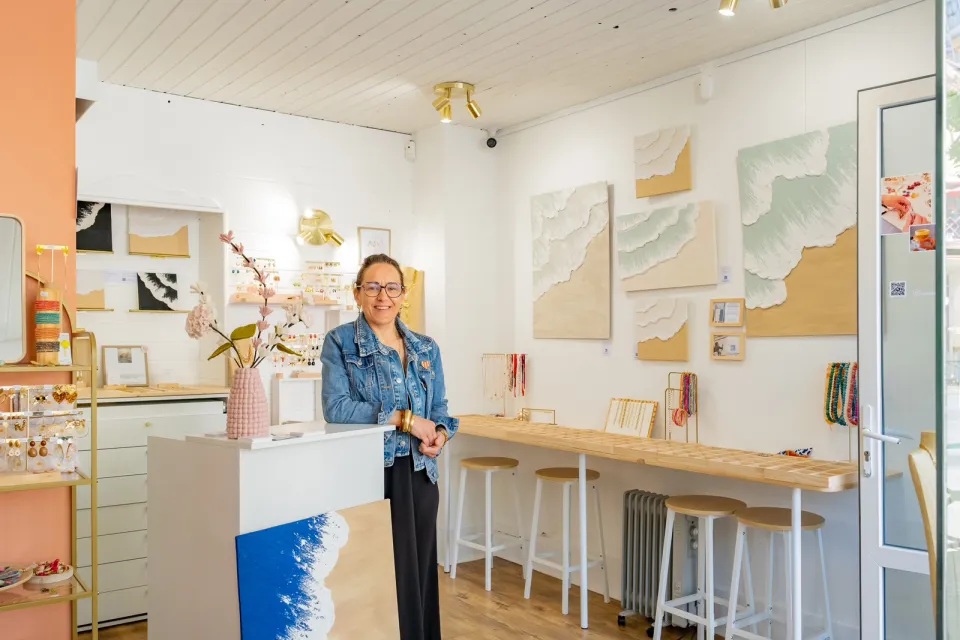
Handmade jewelry to enhance your moments in Châtelaillon-Plage
376 m
Esprit Bord de Mer
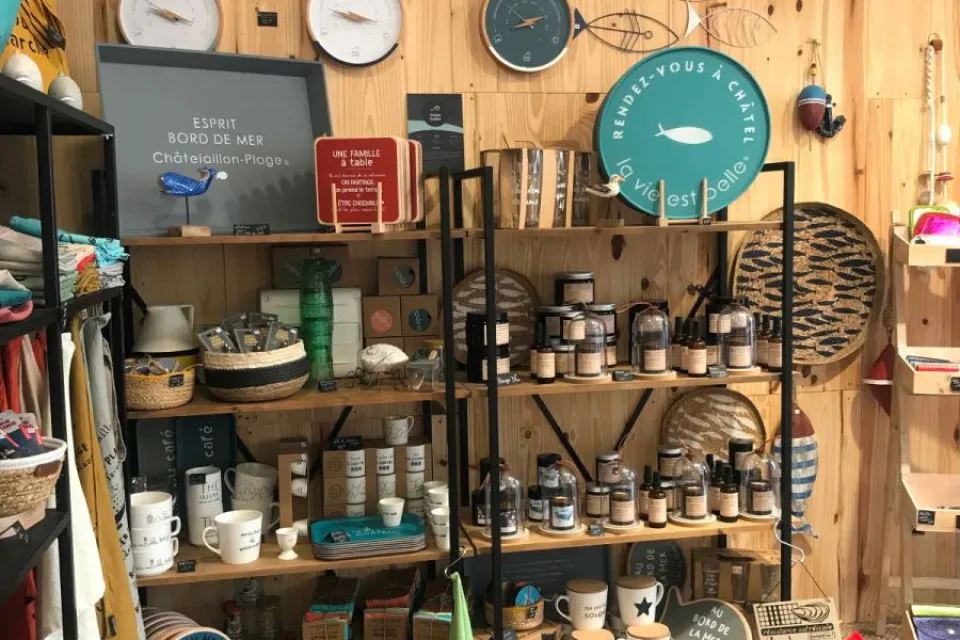
Decorative items and seaside ambiance in Chatelaillon Plage
527 m
Esprit Bord de Mer
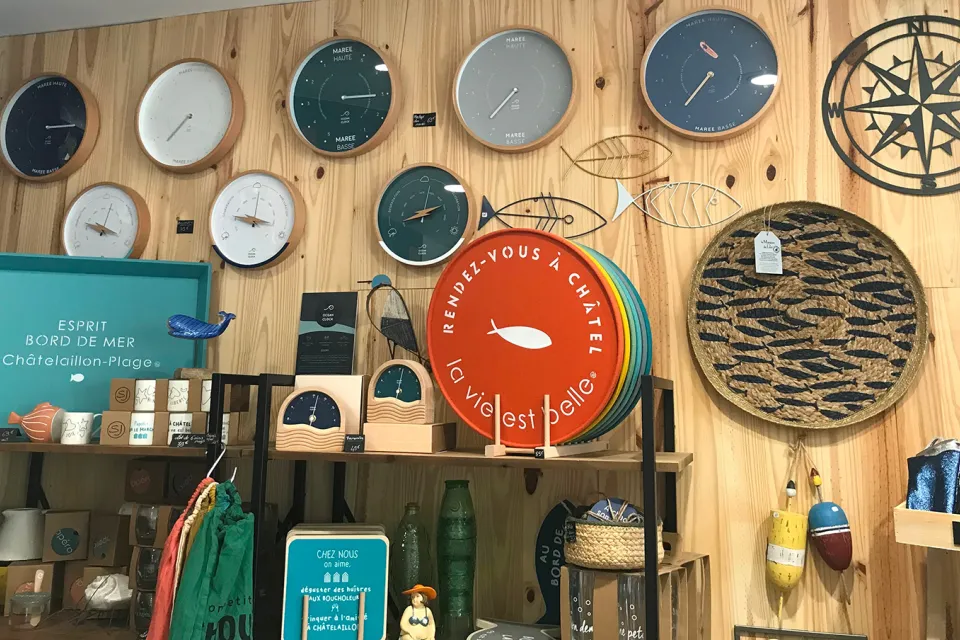
Ready-to-wear clothing, accessories and home decor in Châtelaillon-Plage
529 m
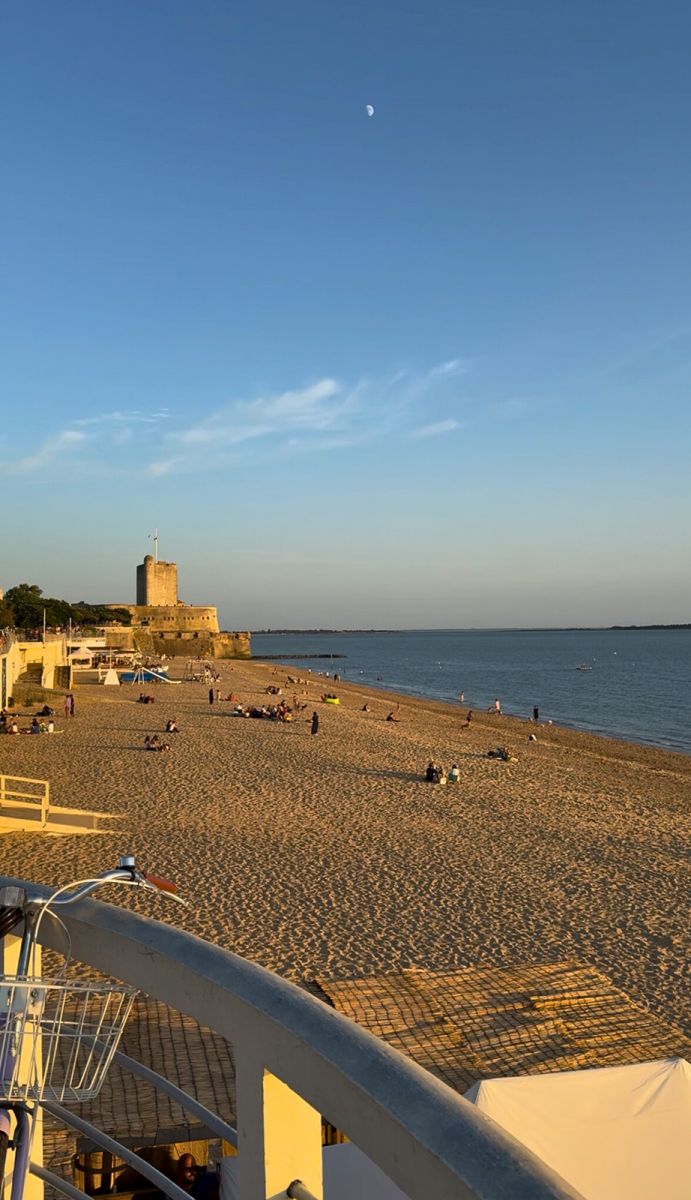
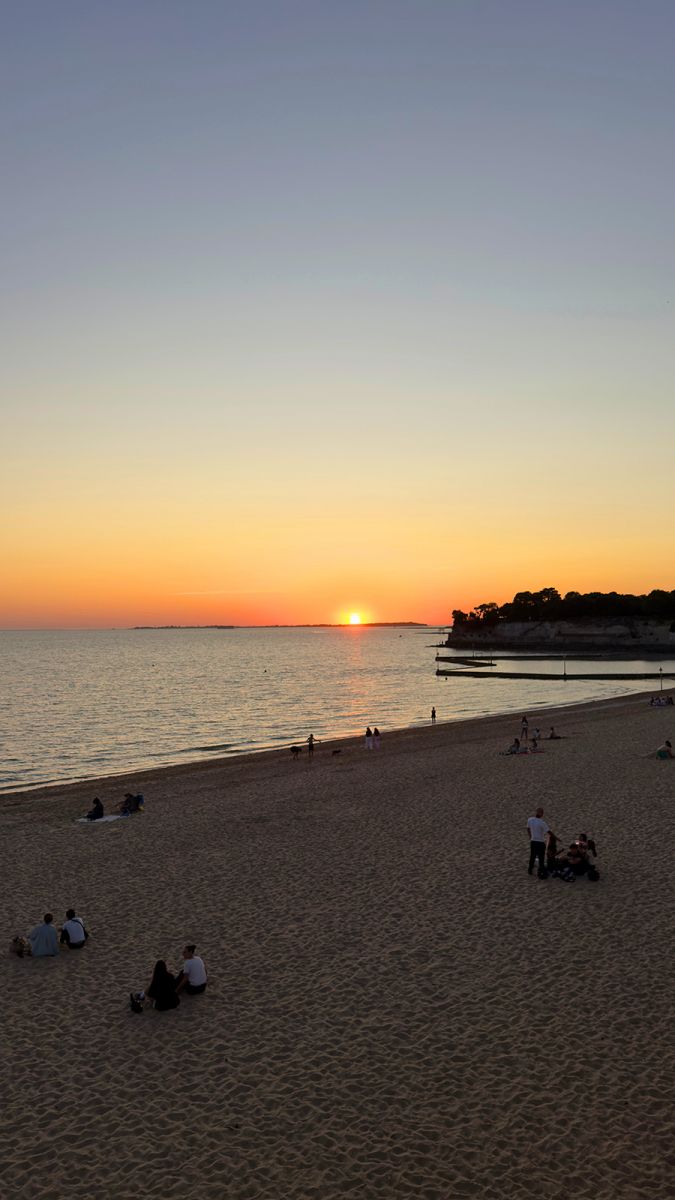
Fouras, the leading seaside resort
This small, family-friendly seaside resort on the Aunis coast is one of the earliest centers of seaside tourism in Charente-Maritime. It's a pleasant place to stroll through its pine forests, tamarisk trees, and holm oaks. Surrounded by fortifications built on an old feudal castle by Vauban to resist invaders, it's a stronghold at the mouth of the Charente. Fort Vauban houses a 12th-century crypt and is now a regional history museum. Fort Enet completes this arsenal.
Fouras is the starting point for going to the island of Aix or for approaching Fort Boyard, which you can see on sunny days from the South beach.
Bazarini
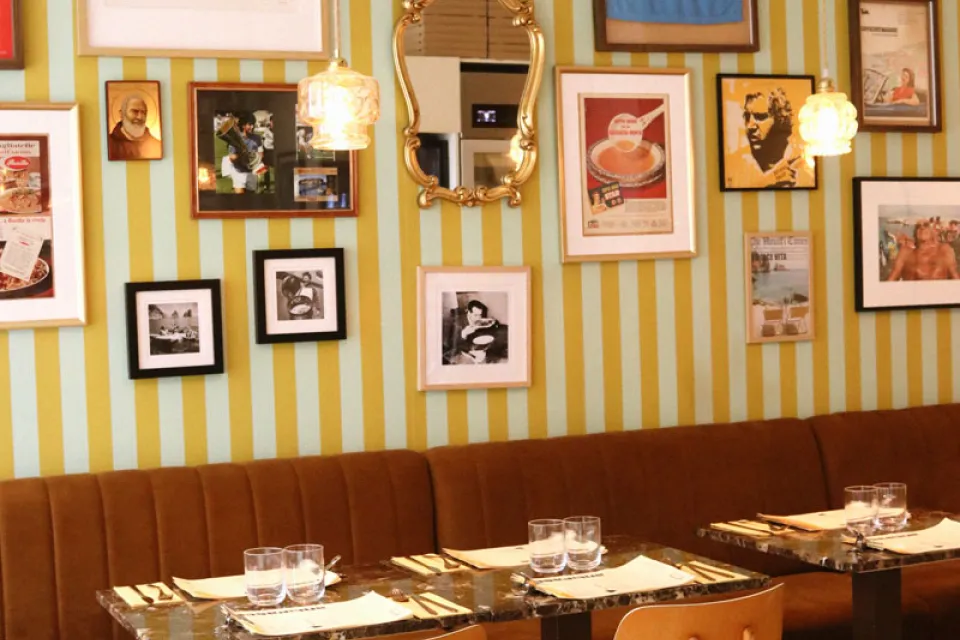
The spirit of Naples comes to the oceanfront in Fouras
23 m
Maison Dunne
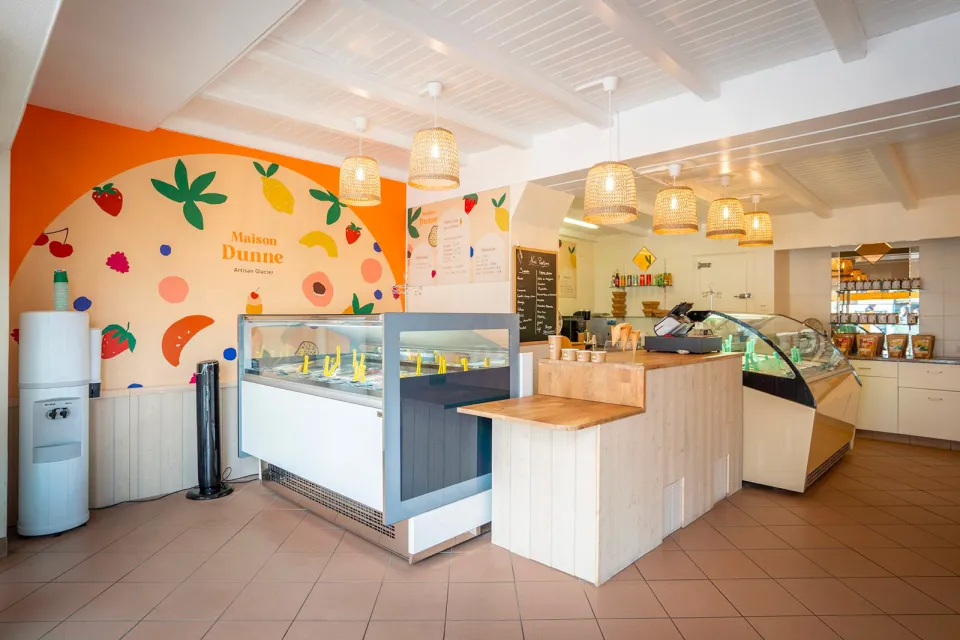
Artisanal ice cream and frozen treats in the heart of Fouras
185 m
Pickles

A must-visit for smash burger lovers in Fouras
283 m
Rochefort and its arsenal
Inland, 15 km from the mouth of the Charente, the town owes its growth to its maritime and military past. Rochefort today enjoys significant tourist activity. It is also the 6th largest spa town in France.
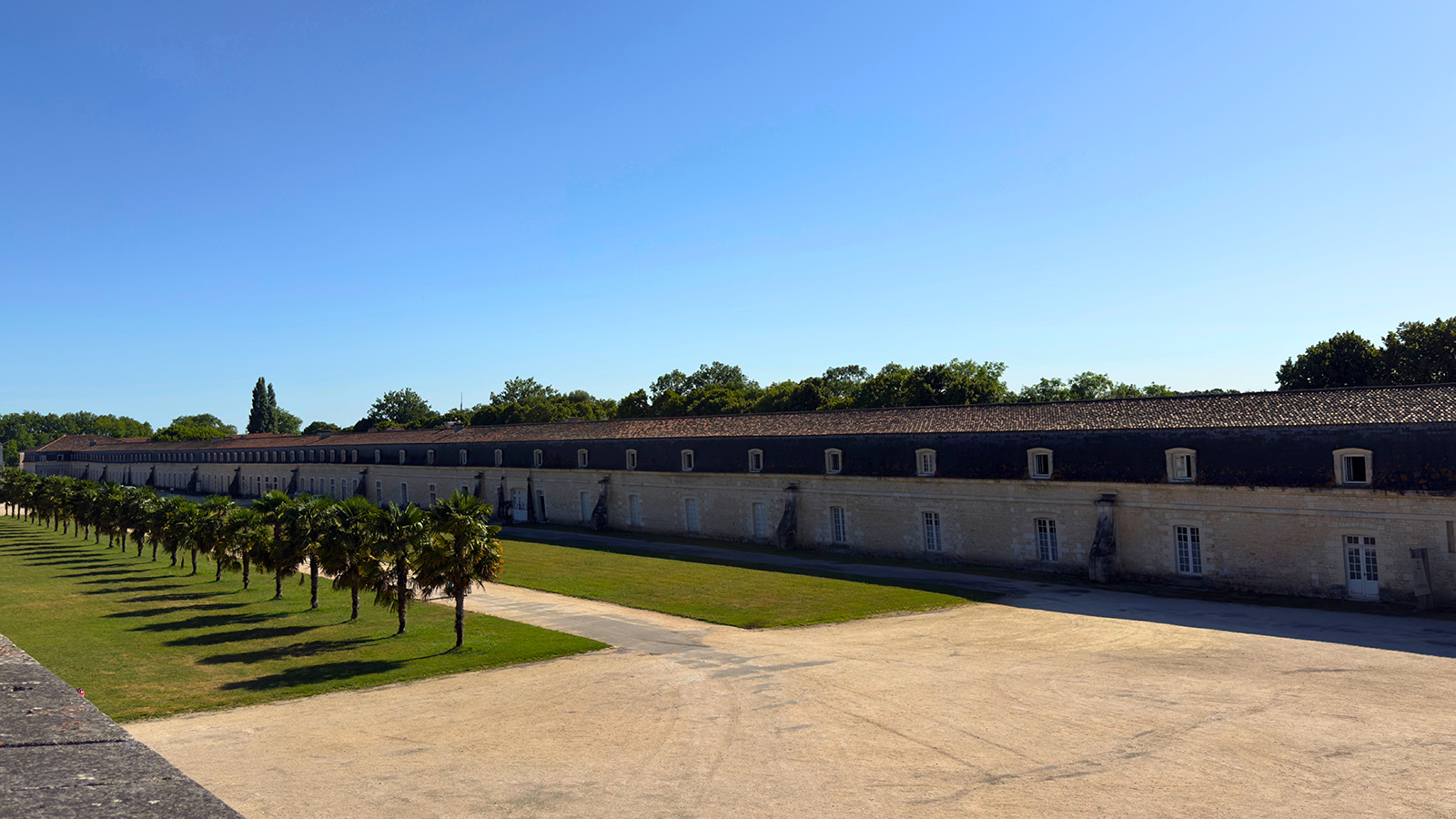
The city has the prestigious label of City of Art and History, as its heritage and conservation are intact. Its arsenal, born by the will of Louis XIV and built under the authority of Colbert, was one of the most important and beautiful, with shipyards, foundry, careening basins, rope factory. Many ships and frigates were built until 1926, when it closed. The rope factory burned down during the war and was restored in 1976, with its superb 17th century facade, 374 m long. Today, it houses tertiary activities and the International Center of the Sea. Around the building is laid out a superb public garden, called the Jardins de la Marine.
A short distance away, a titanic project began in 1997: the construction of an identical replica of the frigate Hermione, which brought La Fayette to America in 1780. The ship has since left its home port for a voyage to America.
You can also, while strolling through the city center, visit:
- The house of the orientalist writer Pierre Loti ;
- The Hebre Museum ;
- The National Maritime Museum ;
- The museum of old-fashioned shops...
Another curiosity, to the south of the town, is the Martrou transporter bridge. It is the only one still in operation, listed as a historic monument.
Hotel de France
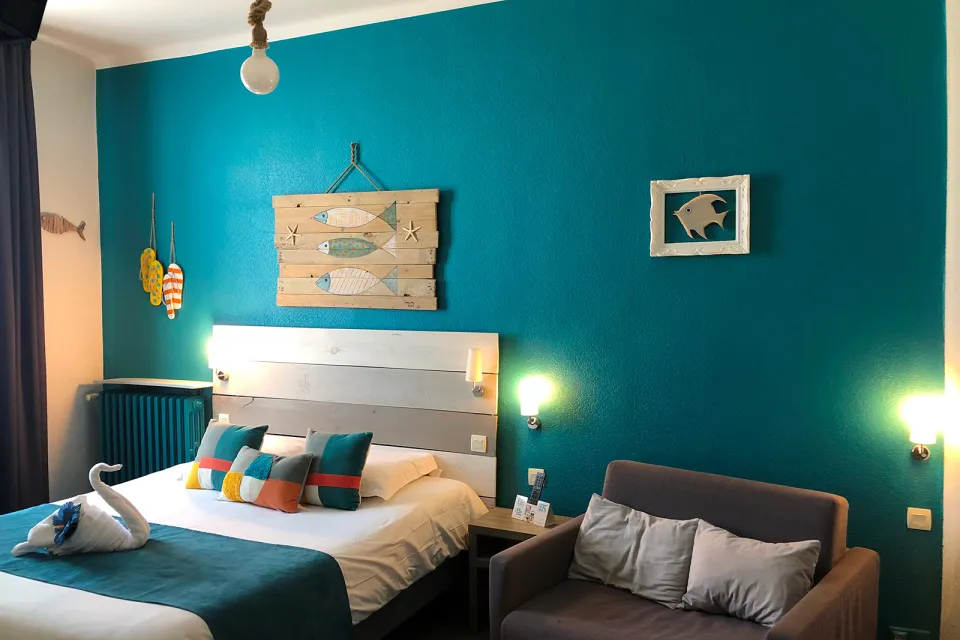
Charming hotel at the foot of Place Colbert in Rochefort
192 m
Hôtel de France
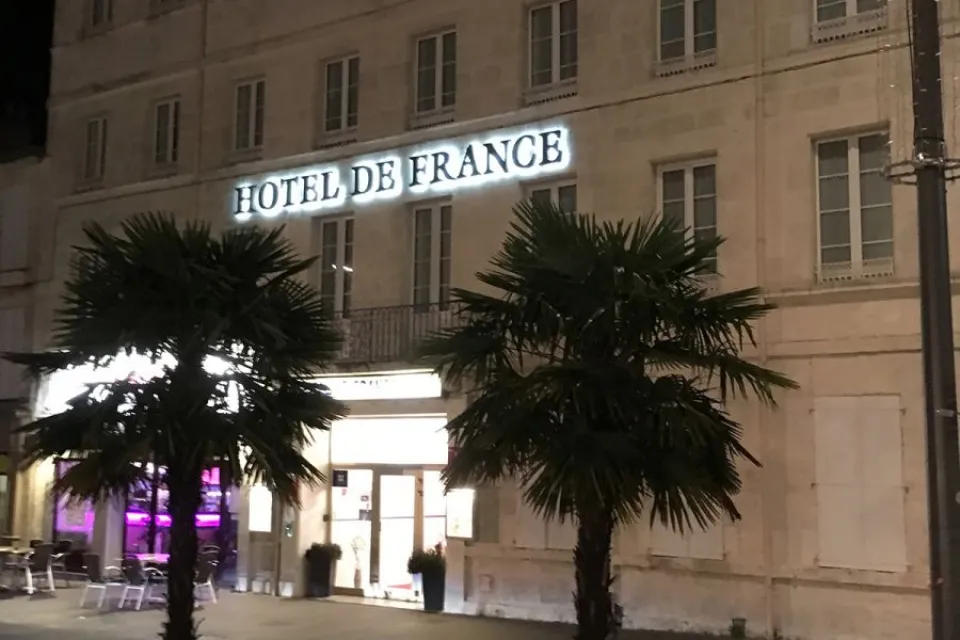
Beautifully decorated rooms for your group stay in Rochefort
198 m
The Apartments of 10
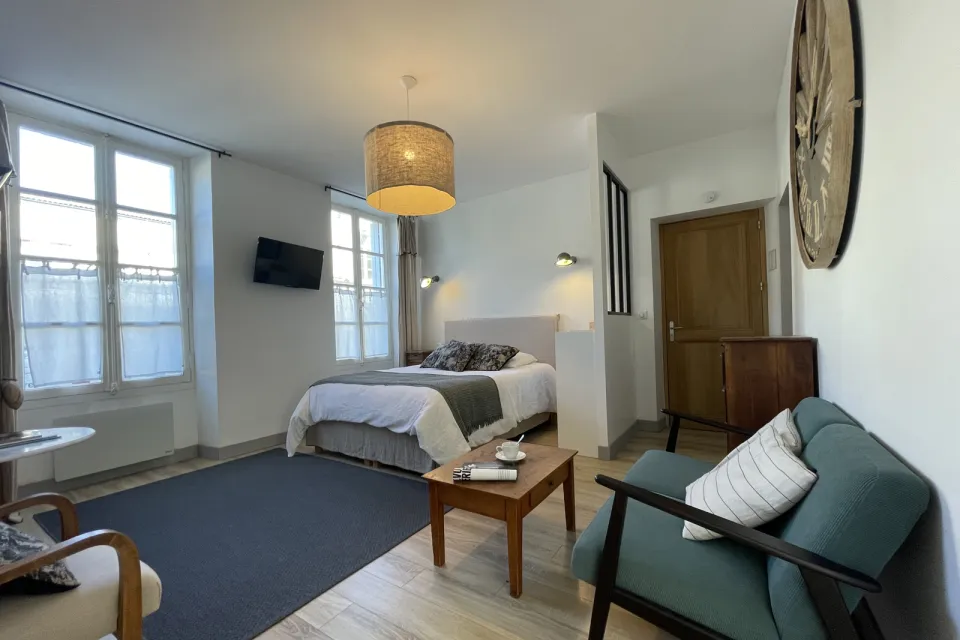
Charming apartments in the historic center of Rochefort
257 m
Hiers-Brouage, port in the marsh
A small fortified town between Rochefort and the island of Oléron, Hiers-Brouage was once one of the busiest ports on the Atlantic coast for the salt trade.
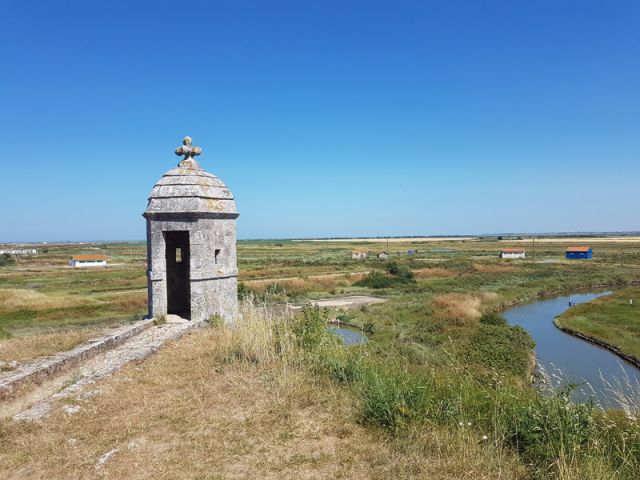
Today, a marsh has taken its place, sheltering a fauna and flora of great diversity. It has the label "Grand site national". Its many historic buildings: royal gate, royal forge, food hall, cooperage, powder magazine... and its ramparts 13 m high and more than 2 km long, offer bastion, curtain walls and watchtowers. Find a superb view of the marsh with its oyster port which constitutes an unusual place for a walk.
Marennes, oyster capital
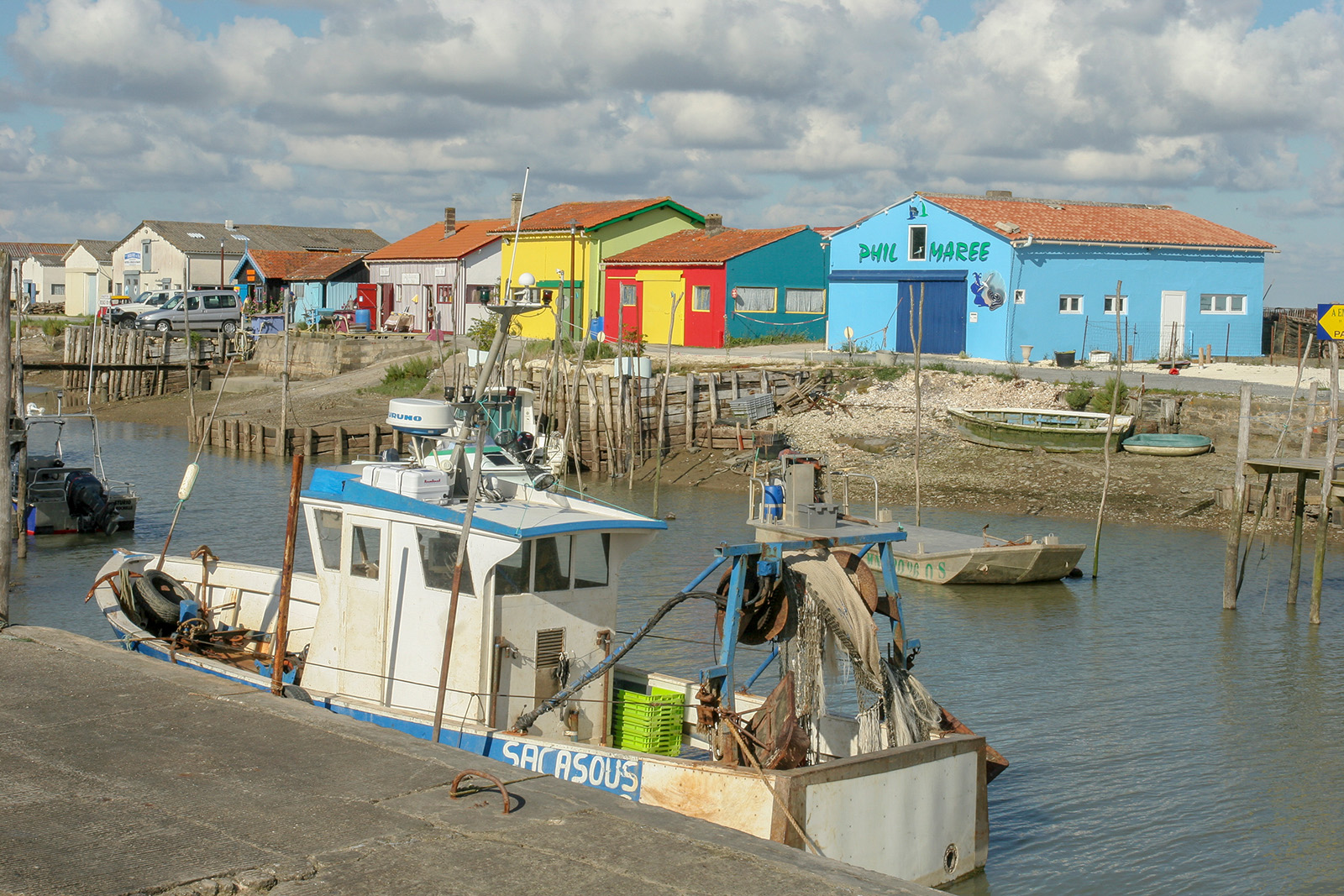
Located on the Seudre estuary, Marennes, once surrounded by salt marshes, is the birthplace of the oyster, which made it famous throughout the world. A former island in the Gulf of Saintonge, now attached to the continent, Marennes has forged a solid reputation with its oyster ponds and small, multi-colored huts.
The port of Cayenne and its 4 km channel is the starting point for visits to the oyster farms and the oyster beds where the oysters are matured. You can let yourself be guided through the Cité de l'Huître, on foot or by bike, to learn all about the history, culture and gastronomy of this delicate mollusk with such delicate flesh. The Seudre estuary provides almost half of the oysters consumed in France.
Along the right bank of the Seudre, you can stop at Marennes-Plage and enjoy sunbathing on the beach.
On the left bank of the Seudre, we discover one of the most beautiful villages in France: Mornac-sur-Seudre. With its flowery white houses, its small fishing port, its narrow streets and its covered market, it is a picturesque oyster-farming and craft village. Its fortified medieval church is renowned for its apse, a listed historic monument.
La Tremblade, going up the left bank, is also a very important oyster port.
To discover the Seudre estuary in an original way, you can also take the Train des Mouettes, from La Trembalde to Saujon. It is the only steam locomotive still in service in Charente-Maritime.
L'Aromate
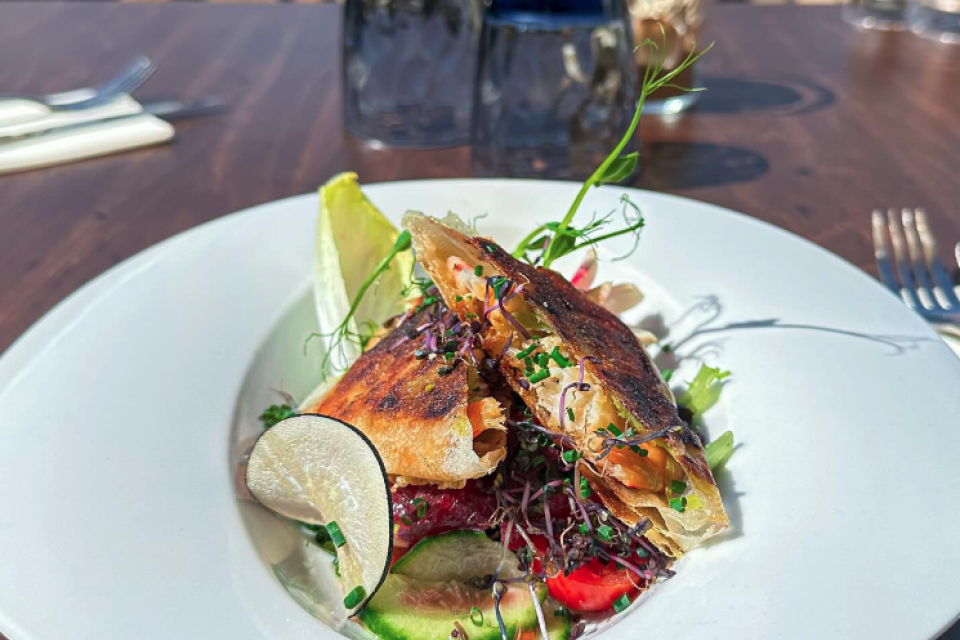
Home cooking and sea views in Marennes Plage
2,5 km
Ô Retrouvailles
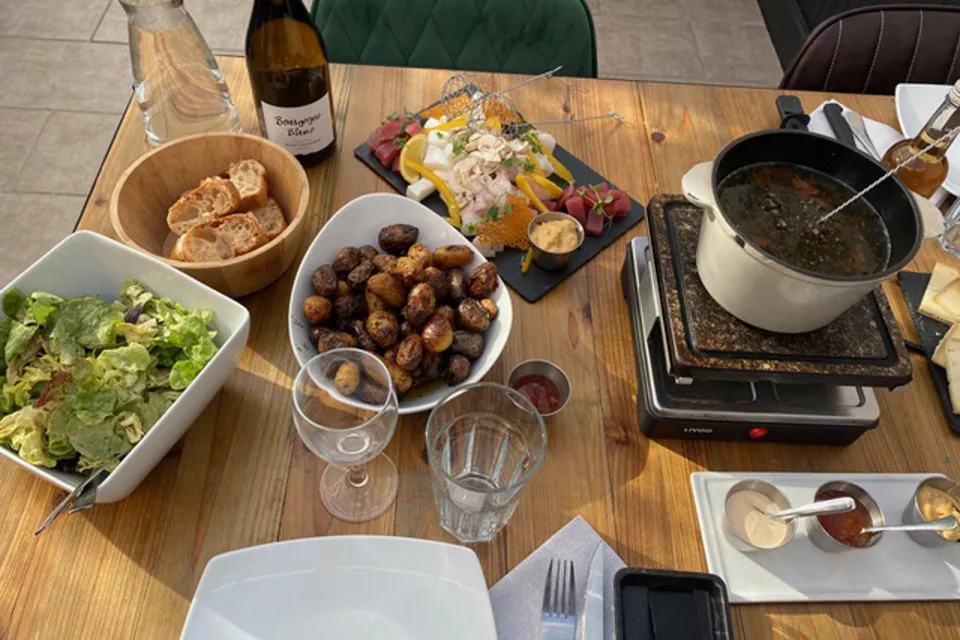
Share fondues, raclettes and pierrades at Ô Retrouvailles in Bourcefranc-le-Chapus
4,1 km
La Boutique Gillardeau
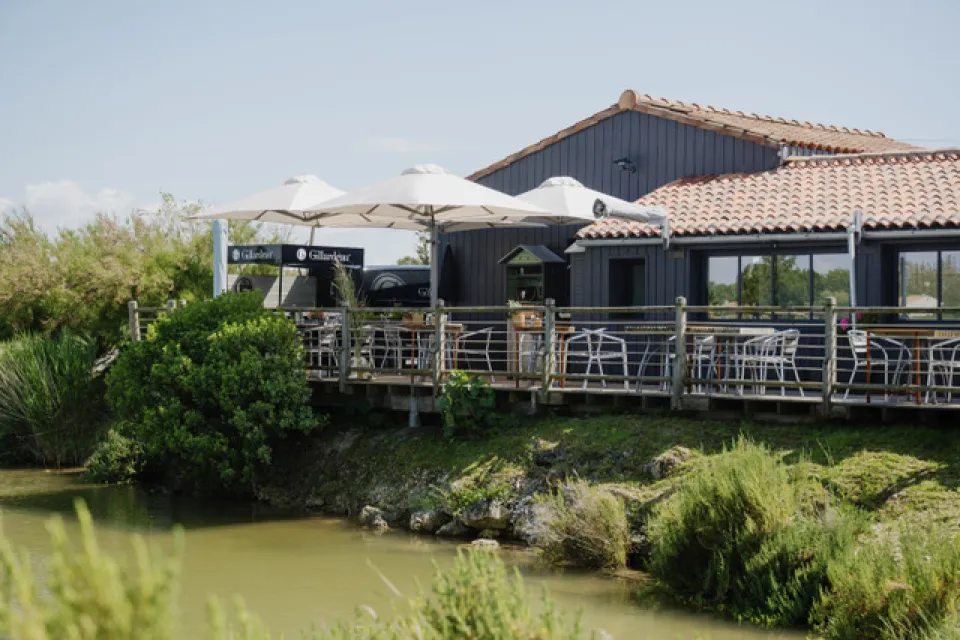
Enjoy exceptional oysters in Bourcefranc-le-Chapus
4,5 km
our favourite
La Baleine Bleue
in Saint-Martin-de-Ré
Top experiences
Visit the Loix Salt Marsh Ecomuseum: an immersion into the heart of salt production on the Île de Ré